
Your Chimney Is Telling You Something: Are You Listening?
Most Gloucester County homeowners do not think about their chimney until something goes wrong. By then, a repair may already be more complicated than it needed to be. Smoke entering the living room, pieces of flue tile in the firebox, unusual odors, or visible masonry damage can all indicate that the chimney needs attention. The good news is that many problems can be identified before they become major repairs. Here are some warning signs to watch for and when it makes sense to call a professional chimney sweep in Gloucester County.
Why Choosing a Qualified Chimney Professional Matters
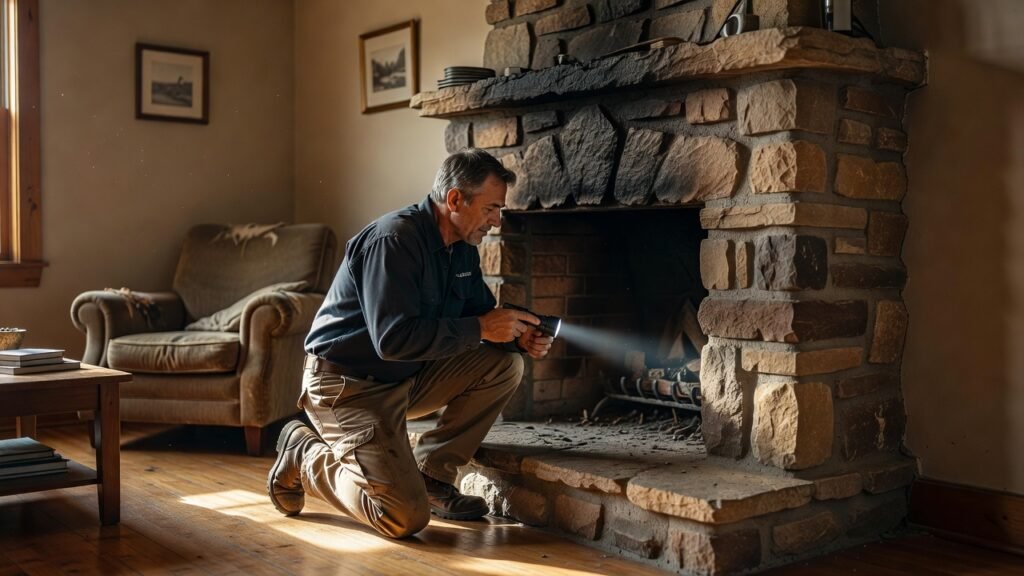
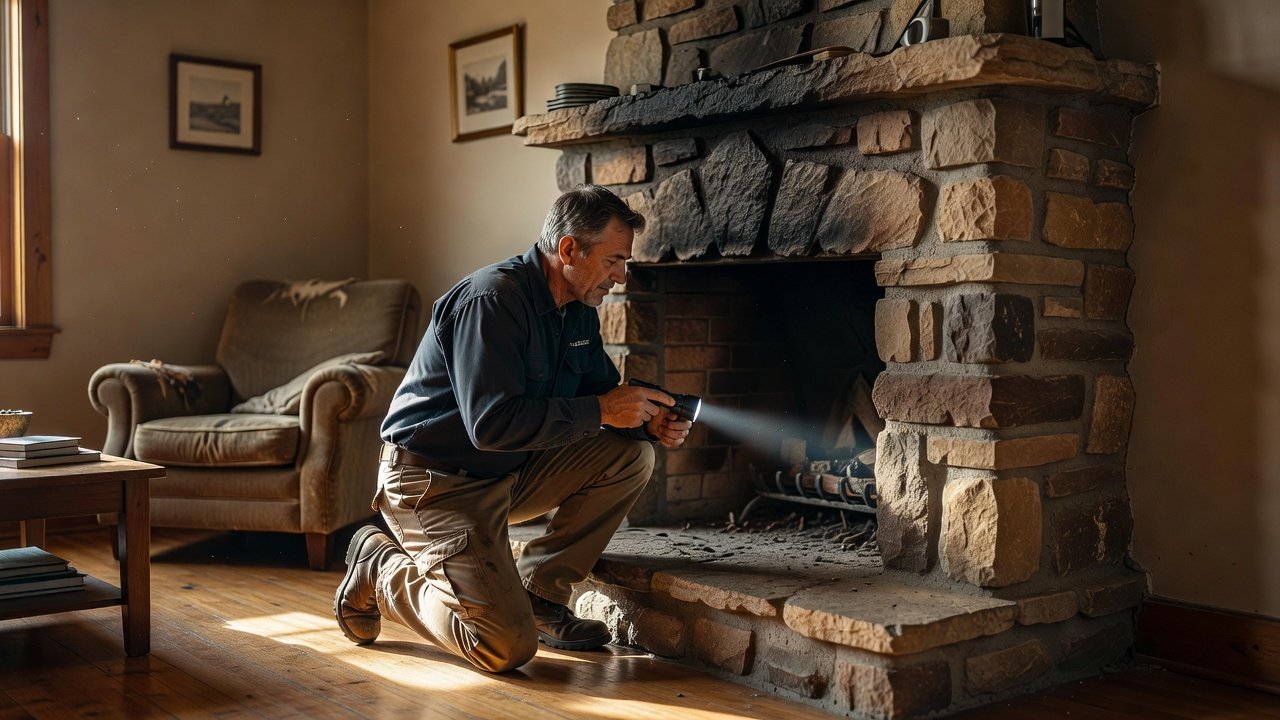
Chimney maintenance involves more than removing soot from a fireplace. A proper inspection looks at the condition of the firebox, damper, accessible flue components, chimney exterior, crown, cap, and other accessible parts of the system.
The Chimney Safety Institute of America (CSIA) provides professional education and certification for chimney sweeps. A qualified technician should also understand the inspection requirements outlined in NFPA 211, the standard commonly used for chimney and venting systems.
Certification does not mean every chimney problem requires an expensive repair. It means the technician has training to identify potential problems and explain what needs attention.
Warning Signs That Mean Your Chimney Needs Attention
1. White Staining on the Outside of the Chimney
Chalky white residue on brick or mortar is known as efflorescence. It occurs when moisture moves through masonry and carries dissolved minerals toward the surface.
A small amount may not indicate serious structural damage, but recurring or spreading efflorescence can point to moisture entering the chimney. Water infiltration can contribute to deteriorating mortar, brick spalling, and other masonry problems over time.
If you notice significant staining along with cracks, crumbling mortar, or loose bricks, schedule a professional inspection.
2. A Strong Smoke or Creosote Odor When the Fireplace Is Not in Use
A noticeable smoky or creosote-like smell coming from an unused fireplace can indicate deposits inside the chimney or a ventilation problem.
Humidity can make chimney odors more noticeable, particularly during warmer months. The smell itself does not prove that the flue liner is damaged, but it is a good reason to have the system evaluated if the odor is persistent or unusually strong.
Do not assume an odor is harmless simply because the fireplace is not currently being used.
3. Pieces of Tile or Other Debris in the Firebox
Look inside the firebox after the fireplace has completely cooled. If you find pieces of reddish clay, ceramic, mortar, or other unfamiliar debris, the material may have come from the chimney or surrounding masonry.
Clay flue liners can deteriorate with age and repeated exposure to heat and moisture. Pieces falling into the firebox may indicate that part of the liner or surrounding structure needs further evaluation.
Stop using the fireplace until a qualified professional determines where the debris came from and whether the system can be operated safely.
4. Smoke Coming Back Into the Room
A small amount of smoke during startup can occur while a cold chimney is establishing a draft. Persistent smoke entering the living space is different.
Possible causes include a partially blocked flue, a damper that is not fully open, inadequate draft, or another problem with the chimney or fireplace system.
Because combustion produces carbon monoxide, smoke entering the living space should not be ignored. If the problem continues, stop using the fireplace and have the system inspected.
5. Visible Gaps or Crumbling Between Chimney Bricks
Stand at ground level and look at the exterior chimney when conditions are safe. Mortar joints should not appear severely eroded, open, or missing.
Crumbling mortar can allow additional moisture into the masonry. Loose or displaced bricks are a more serious concern because they may indicate structural deterioration.
A small area of deteriorated mortar may be repairable with repointing. Extensive deterioration may require more substantial masonry work. A professional assessment can determine the appropriate repair.
6. Rust or Damage Around the Damper
A damper should open and close smoothly. If it is heavily rusted, stuck, warped, or damaged, the fireplace may not draft properly.
Moisture is one possible cause of damper corrosion. Debris and normal wear can also affect its operation.
Do not force a severely stuck damper. Have it inspected to determine whether cleaning, adjustment, or replacement is appropriate.
7. Heavy or Shiny Creosote Buildup
Creosote forms when wood-burning combustion gases cool inside the chimney. Heavy or glazed deposits require professional attention.
If you can see substantial black, shiny, or tar-like buildup around the firebox or accessible portions of the chimney, do not assume a normal household cleaning will solve the problem.
A professional sweep can assess the amount and condition of the buildup and determine what cleaning method is appropriate. Regular inspection and cleaning can help prevent deposits from reaching hazardous levels.
8. Scratching or Movement Inside the Chimney
Birds and other animals can enter chimneys when caps or screens are missing or damaged. Nesting material can obstruct the flue and create a potential fire or ventilation hazard.
If you hear scratching, chirping, or movement inside the chimney, do not light a fire to try to force the animal out.
Some bird species are protected under federal law, so the species and situation should be identified before removal is attempted. A qualified chimney professional can determine the appropriate next step and help address the opening that allowed the animal to enter.
What a Professional Chimney Inspection Covers
A Level 1 inspection under NFPA 211 is generally appropriate when the chimney and appliance have not undergone changes and there are no known hazards requiring a more extensive inspection. It examines accessible portions of the chimney and venting system.
A Level 2 inspection is more extensive and includes video scanning of the flue. It is generally required when there has been a change to the system, a change in the property’s ownership, or an event that could have caused damage.
The appropriate inspection level depends on the circumstances. A professional should explain why a particular level is recommended rather than automatically selling the most expensive option.
Cleaning and inspection are also different services. Cleaning removes deposits and debris. Inspection evaluates the condition of the system and identifies potential problems that cleaning alone cannot correct.
What Gloucester County Homeowners Should Expect to Pay
Pricing varies based on the chimney, fireplace type, accessibility, buildup, and inspection scope. A basic chimney inspection may cost around $125 to $250, while a standard chimney cleaning can range from approximately $150 to $300.
A Level 2 inspection with video scanning generally costs more. Repairs such as masonry work, chimney cap replacement, damper repair, or flue relining are separate services and can vary significantly depending on the condition of the system.
A reputable company should explain the scope of work and provide a repair estimate before performing additional work.
Know When to Stop Using the Fireplace
Some warning signs should not be treated as routine maintenance issues.
If you find pieces of flue liner in the firebox, experience persistent smoke entering the living space, discover a significant obstruction, or see substantial structural deterioration, stop using the fireplace until it has been evaluated.
A carbon monoxide detector should also be installed and maintained in homes with fuel-burning appliances. It is an important safety device, but it does not replace chimney inspection or maintenance.
Schedule a Chimney Inspection in Gloucester County
If you live in Woodbury, Deptford, Mantua, Gloucester Township, Sewell, or another Gloucester County community and have noticed any of these warning signs, a professional inspection can help determine what is actually happening.
Chimney Evergreen serves homeowners throughout Gloucester County with chimney inspection, cleaning, and maintenance services. Contact us to schedule an inspection and get a clear assessment of your chimney’s condition before a small problem becomes a larger repair.
Related from Evergreen Chimney Woodbury NJ: Your Chimney Is Telling You Something · Chimney Sweep in Woodbury, NJ — Evergreen Chimney