
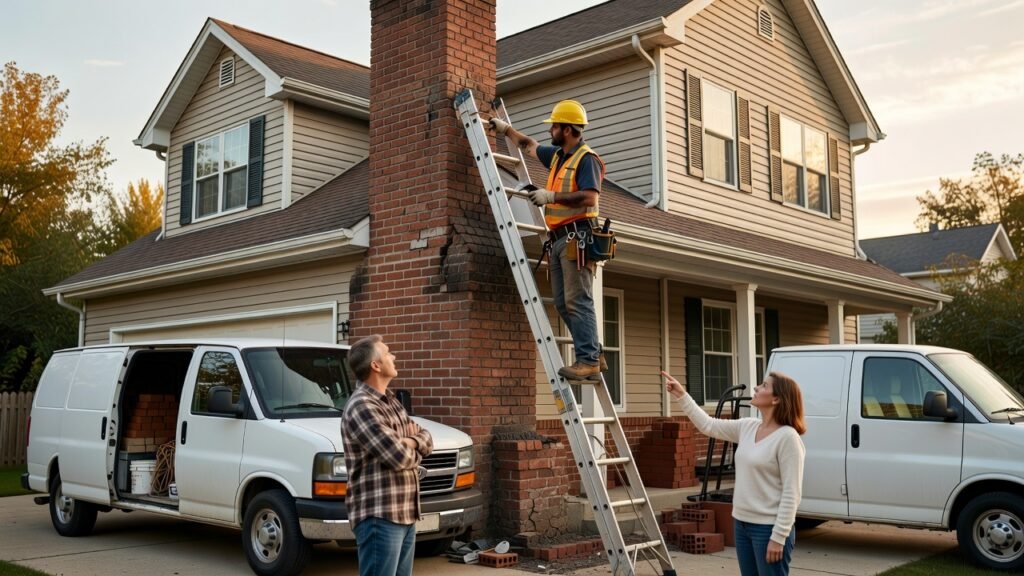
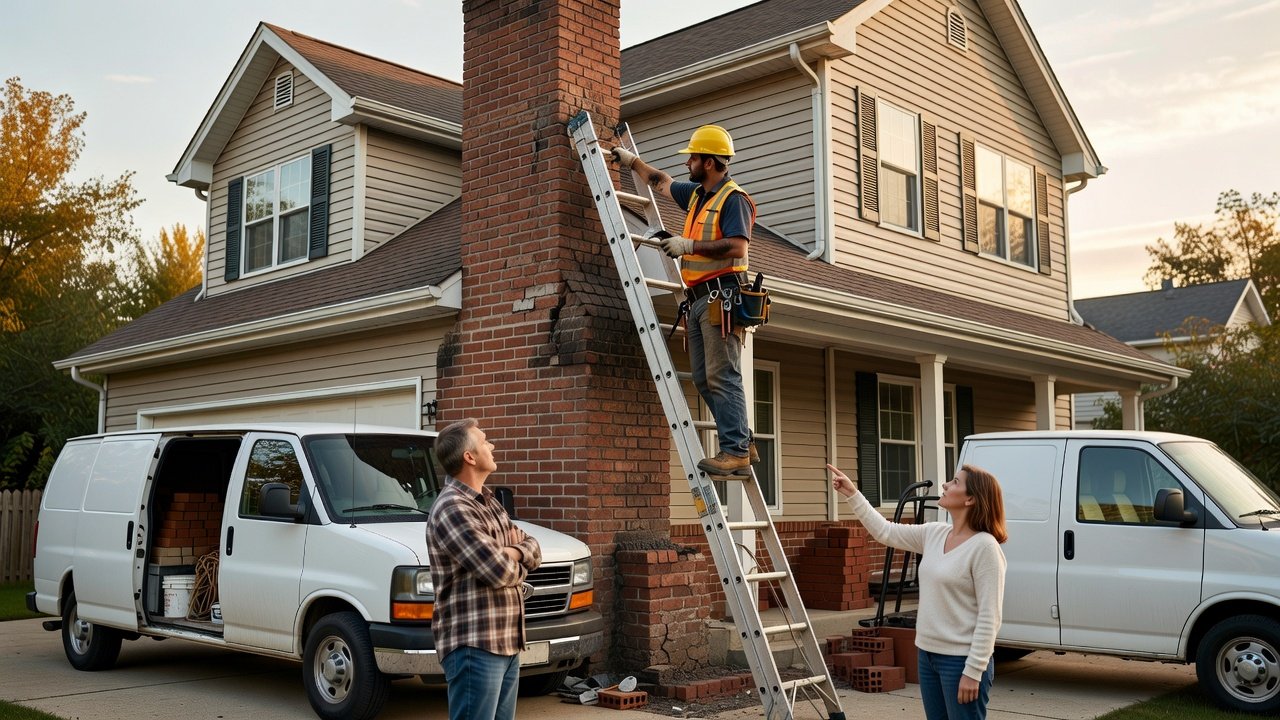
Chimney Repair in Woodbury, NJ: Answers to Homeowners’ Most Common Questions
What Does Chimney Repair Actually Cover?
Quick answer: Chimney repair can include repointing mortar joints, repairing a chimney crown, replacing damaged bricks, repairing flashing, or addressing a damaged flue liner.
The right repair depends on the chimney’s condition. Repointing restores deteriorated mortar joints between bricks. Crown repair addresses damage to the protective surface at the top of a masonry chimney. Flashing repairs focus on the area where the chimney meets the roof, while spalling brick replacement addresses masonry that is flaking or breaking apart.
A damaged flue liner may require a targeted repair or replacement, depending on its material, condition, and the appliance it serves. Stainless steel liners are one option, but the appropriate solution depends on the chimney system and applicable installation requirements.
The word “repair” can describe jobs of very different sizes. A professional inspection helps establish what needs attention and provides a clearer basis for a written estimate.
Why Does Chimney Repair Matter for Safety, Not Just Appearance?
Quick answer: Chimney damage can affect how safely combustion gases are contained and vented out of the home.
Cracked masonry, deteriorated mortar joints, and damaged flue liners can indicate problems that need professional evaluation. Depending on the location and severity of the damage, defects may affect the chimney’s ability to contain combustion products or maintain the required protection from nearby combustible materials.
Carbon monoxide is an additional concern because it is an odorless, potentially deadly gas. A chimney or venting problem can contribute to unsafe conditions, although a visible crack alone does not establish that carbon monoxide is entering the home.
Homeowners should not assume that an older chimney is unsafe simply because of its age. Equally, a chimney that appears intact from the outside may have concealed defects. If you suspect damage, arrange an appropriate inspection before continuing to use the fireplace. If a carbon monoxide alarm sounds, leave the building and contact emergency services.
How Can I Tell Whether My Chimney Needs Repair?
Quick answer: Look for visible signs of deterioration, but do not rely on a ground-level check to determine whether the entire chimney is safe.
Possible warning signs include:
-
Cracked or deteriorating mortar joints.
-
Cracks or damage around the chimney crown.
-
Bricks that are flaking, breaking, or separating.
-
White mineral deposits on exterior masonry, known as efflorescence.
-
Water stains or dampness near the fireplace.
-
Rust on accessible metal components.
-
Debris or pieces of masonry inside the firebox.
Efflorescence can indicate moisture movement through masonry, but it does not by itself confirm the source or extent of water intrusion. Similarly, visible cracks may require further investigation to establish whether they affect the chimney’s structure or flue.
You can observe accessible areas from a safe location, but do not climb onto the roof or attempt to inspect concealed parts yourself. A qualified professional can determine the appropriate inspection scope and explain whether repairs are needed.
What Happens During a Chimney Inspection Before Repair?
Quick answer: The inspection level depends on the chimney’s condition, its intended use, and whether a specific problem is suspected.
NFPA 211 recognizes three levels of chimney inspection. A Level 1 inspection generally covers readily accessible parts of the chimney and connected system during routine maintenance when the system’s use has not significantly changed. A Level 2 inspection has a broader scope and may include video scanning of the flue interior. It is commonly appropriate when a home changes ownership, an appliance or fuel type changes, or damage is suspected. A Level 3 inspection may involve removing components or building materials when necessary to investigate concealed areas that cannot be adequately evaluated otherwise.
Not every repair assessment requires a Level 2 inspection. The professional should explain which level is appropriate and why. If the inspection reveals an issue that cannot be fully evaluated within its original scope, additional investigation may be recommended.
Ask whether the inspection fee is separate from the repair cost. Before approving the work, request a written explanation of the findings, the proposed repairs, and any limitations that affect the assessment.
What Does the Chimney Repair Process Look Like?
Quick answer: The process generally involves evaluating the problem, agreeing on the scope of work, completing the repair, and checking the finished work as appropriate.
A typical repair process includes the following steps:
-
Inspection: The contractor evaluates accessible components and determines whether additional inspection is needed.
-
Written estimate: You receive a description of the recommended work, materials, costs, and any relevant limitations.
-
Preparation: The work area is protected, and any necessary access equipment is arranged.
-
Repair: The contractor completes the agreed work, which may involve masonry, flashing, the chimney crown, or the flue liner.
-
Final review: The contractor explains what was repaired, identifies any remaining concerns, and provides relevant documentation or instructions.
The time required varies considerably. Repointing a small area is different from repairing extensive masonry damage or installing a new liner. Weather, access, the extent of deterioration, and material requirements can also affect the schedule.
Ask your contractor how long the work is expected to take and whether any materials need time to cure before the fireplace can be used again. Follow the contractor’s instructions for resuming use.
How Much Does Chimney Repair Cost in Woodbury, NJ?
Quick answer: The cost depends on the type and extent of damage, the chimney’s height and accessibility, the materials required, and the labor involved.
Minor mortar repairs generally involve a different scope of work from a crown rebuild or flue liner replacement. Additional costs may arise when the contractor discovers concealed damage, requires specialized access equipment, or needs to protect or restore surrounding materials.
Rather than relying on a single price range, request a written estimate based on the actual condition of your chimney. For substantial work, comparing multiple estimates can help you understand differences in materials, repair methods, warranties, and project scope.
Make sure each estimate describes the same work. A lower price may not include the same repairs or materials as another proposal. Ask the contractor to explain any recommended replacement and whether a less extensive repair is suitable for your chimney.
Does a Chimney Repair Contractor Need Certification?
Quick answer: Ask about relevant credentials, applicable New Jersey registration requirements, insurance, and experience with the specific repair.
The Chimney Safety Institute of America (CSIA) offers chimney-sweep certification that can help homeowners identify professionals who have demonstrated knowledge of chimney and venting systems. Certification is useful to check, but it does not guarantee the quality of every job or replace experience with the type of repair being proposed.
For masonry work, ask about experience repairing chimneys made from similar materials. For liner or appliance-related work, ask about training and qualifications relevant to the system being serviced.
New Jersey has registration requirements for covered home-improvement contractor businesses. Rather than assuming a chimney contractor is exempt, verify the business’s applicable registration and any other requirements relevant to the work. Ask for proof of insurance and references, and check whether the contractor can provide a detailed written agreement.
What Happens If I Ignore a Chimney Repair?
Quick answer: Some chimney problems can worsen over time, particularly when water enters damaged masonry or existing defects are left unaddressed.
Moisture can contribute to deterioration of bricks, mortar joints, and other masonry components. In climates with freezing temperatures, water entering cracks may freeze and expand, contributing to further damage. A deteriorating crown or damaged flashing can also allow additional moisture into the chimney system.
The consequences depend on the original defect and how quickly it progresses. A small area of damaged mortar does not automatically mean a chimney needs rebuilding, but delaying an assessment can make it harder to understand whether the problem is spreading.
If you notice deterioration, have it evaluated and ask which repairs are necessary now. Addressing documented defects before they worsen may help limit the extent of future work, although the eventual cost depends on the actual damage.
Can I Use My Fireplace While Waiting for a Repair?
Quick answer: That depends on the defect. Some damage requires the fireplace to remain out of service until a professional has assessed it.
A suspected flue-liner defect, evidence of a chimney fire, loose masonry, or a problem affecting the safe venting of combustion gases may make continued use unsafe. Other issues may be limited to exterior components, but that determination should be based on an appropriate inspection rather than appearance alone.
Ask the inspecting professional directly whether the fireplace can be used before the repair is completed. Request clear instructions about any restrictions and what must be done before the system is returned to service.
If you suspect a chimney fire has occurred, stop using the fireplace and arrange a professional evaluation. Do not resume use simply because the chimney appears normal from the outside.
How Do I Find a Reliable Chimney Repair Contractor in Woodbury?
Quick answer: Look for relevant experience, verifiable credentials, appropriate registration, insurance, and a clear written estimate.
Start by asking what inspection and repair services the company provides. If certification is important to you, check the technician’s current status through the issuing organization. Request references for similar work and confirm that the business has the appropriate registration and insurance for the job.
Before accepting a proposal, make sure it explains:
-
The problem identified during the inspection.
-
The recommended repair and why it is needed.
-
The materials and work included in the price.
-
Any exclusions, additional costs, or potential concealed damage.
-
The expected schedule and any restrictions on fireplace use.
-
Applicable warranties and payment terms.
A detailed estimate makes it easier to compare contractors and understand what you are paying for. Be cautious if a contractor recommends extensive replacement without explaining the evidence supporting that recommendation.
Chimney Repair in Woodbury, NJ: Key Questions at a Glance
| Homeowner question | Key takeaway |
|---|---|
| What does chimney repair cover? | Masonry, crowns, flashing, bricks, liners, and other components, depending on the damage. |
| Why is repair important? | Chimney defects can affect structural integrity and safe venting. |
| What signs should I look for? | Cracked mortar, damaged bricks, crown cracks, efflorescence, and water stains. |
| Which inspection level do I need? | It depends on the system and the problem being investigated. |
| How long does repair take? | The schedule depends on the work, materials, access, and weather. |
| What does chimney repair cost? | Obtain a written estimate based on the actual damage and scope of work. |
| What credentials should I check? | Relevant certification, experience, applicable registration, and insurance. |
| What if I delay repairs? | Some defects, particularly moisture-related damage, can worsen over time. |
| Can I use the fireplace before repair? | Ask the inspecting professional whether continued use is safe. |
| How do I choose a contractor? | Compare written scopes, credentials, experience, insurance, and references. |
Arrange a Chimney Repair Assessment in Woodbury
If you have noticed cracks, deteriorating masonry, water stains, or other signs of chimney damage, arrange an assessment with a qualified professional. An inspection can help identify the problem and establish which repairs are appropriate.
Chimney Evergreen serves Woodbury and nearby communities, including Deptford, Mantua, and Glassboro. Contact the company to ask about its inspection services, availability, and pricing before scheduling.
Related from Evergreen Chimney Woodbury NJ: Chimney Cleaning in Woodbury, NJ Professional Service by Evergreen Chi · Chimney Sweep in Woodbury, NJ — Evergreen Chimney