
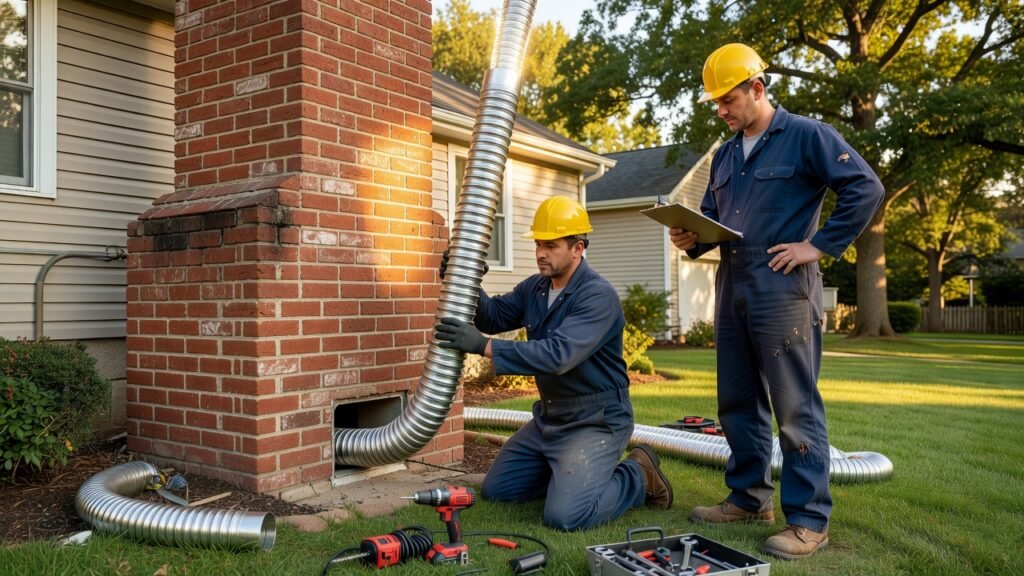
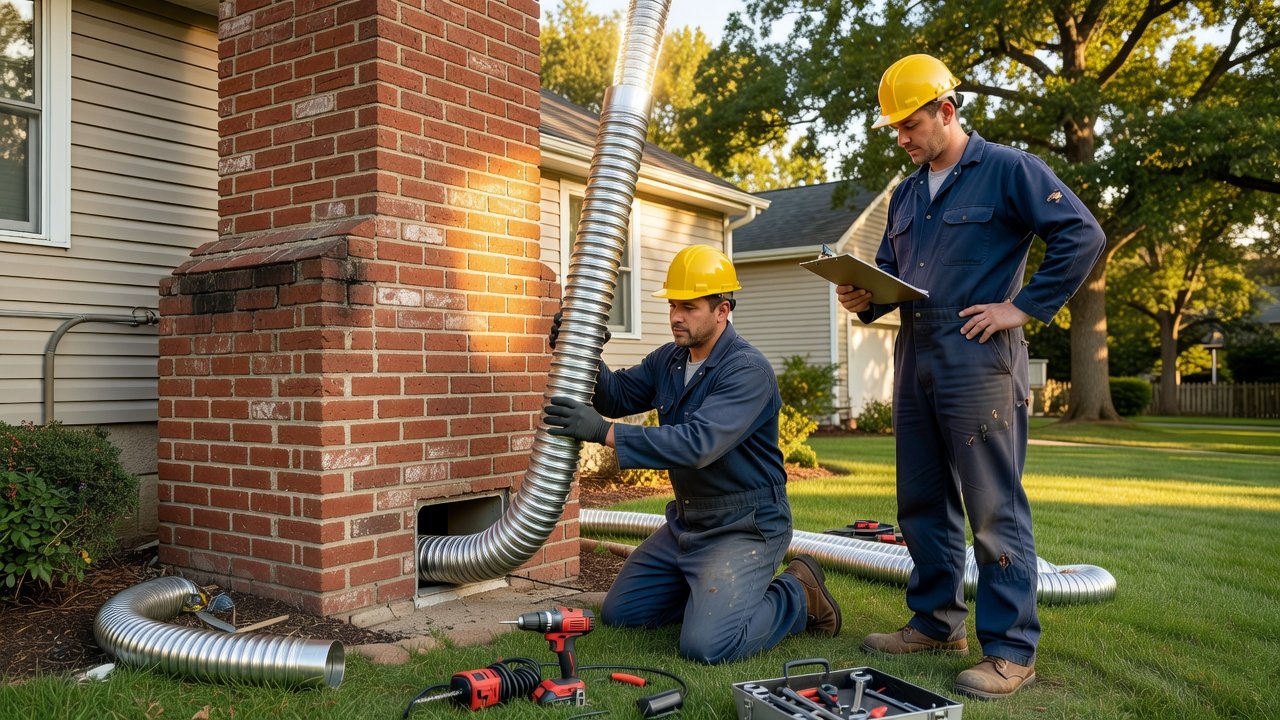
Chimney Liner Repair in Woodbury, NJ: What’s Actually Wrong and How It Gets Fixed
Most homeowners in Woodbury don’t think about their chimney liner until something forces the issue a higher-than-expected heating bill, an unusual odor coming from the fireplace, or a home inspection report mentioning a problem with the flue. Because the chimney liner is hidden inside the chimney, damage often goes unnoticed until it becomes a serious safety concern or an expensive repair.
Understanding how chimney liners work and recognizing the early warning signs can help you avoid major structural damage, improve heating efficiency, and keep your home safe from fire hazards and carbon monoxide exposure.
In this guide, we’ll explain the most common chimney liner problems found in Woodbury homes, what causes them, how professionals repair them, and when it’s time to schedule an inspection.
Why Your Chimney Liner Is So Important
The chimney liner is one of the most important safety components of your entire chimney system.
Its job is to:
- Safely vent smoke and combustion gases outdoors
- Protect surrounding masonry from excessive heat
- Reduce the risk of chimney fires
- Improve fireplace and heating appliance efficiency
- Prevent carbon monoxide from entering your home
The National Fire Protection Association (NFPA 211) and the Chimney Safety Institute of America (CSIA) consider an intact chimney liner essential for safe fireplace operation.
Many older homes throughout Woodbury, Deptford, and Gloucester County still have original terra cotta chimney liners installed decades ago. While durable, these clay liners eventually deteriorate due to years of heating, cooling, moisture, and normal wear.
Homes that have been converted from wood-burning fireplaces to modern gas appliances often place additional stress on older chimney liners that were never designed for today’s heating systems.
Six Common Chimney Liner Problems Found in South Jersey
1. Cracked or Spalling Clay Flue Tiles
One of the most common chimney liner issues involves cracked or deteriorating terra cotta flue tiles.
Homeowners may notice:
- Pieces of tile falling into the fireplace
- Debris inside the firebox
- Damage discovered during a Level 2 chimney inspection
Repeated heating and cooling causes clay tiles to expand and contract over time. Combined with New Jersey’s freeze-thaw cycles, mortar joints weaken and tiles eventually crack.
Typical repair options
Depending on the severity of the damage, technicians may recommend:
- Specialized resurfacing compounds
- Partial liner repair
- Complete stainless steel liner replacement
A professional camera inspection determines whether repairs are possible or if replacement is the safer option.
Prevention
Annual chimney inspections help identify small cracks before significant damage develops.
2. Separated Chimney Liner Sections
Liner sections sometimes separate as mortar joints deteriorate with age.
Signs may include:
- Mild smoky odors
- Unusual drafting problems
- Low-level carbon monoxide detector alerts
- Camera inspection revealing gaps between liner sections
Even small gaps allow combustion gases to escape into surrounding masonry.
Typical repair
Minor separation may occasionally be repaired, but widespread joint failure usually requires installing a continuous stainless steel chimney liner.
This is one of the most common repairs performed for Gloucester County homeowners with gas heating systems.
Prevention
Keeping moisture out of the chimney with a properly installed chimney cap significantly slows mortar deterioration.
3. Clay Liner Damage from Gas Appliances
Many homeowners are surprised to learn that gas appliances can actually damage older clay chimney liners.
Gas combustion creates acidic condensation that gradually erodes terra cotta liners.
Common warning signs include:
- White staining on exterior brick
- Moisture around the chimney
- Musty odors near the furnace
- Hidden micro-cracks revealed during camera inspections
Typical repair
Most technicians recommend installing a properly sized 316 stainless steel chimney liner designed for gas appliances.
Correct liner sizing is critical to ensure safe draft performance and efficient appliance operation.
Prevention
Whenever converting from woodburning to gas heating equipment, have the chimney liner evaluated before installation.
4. Collapsed or Blocked Chimney Liner
Although less common, chimney liners can eventually collapse after years of deterioration.
Typical symptoms include:
- Smoke entering the home
- Fireplace drafting failure
- Furnace safety shutdowns
- Severe blockages found during inspection
Typical repair
Collapsed liners cannot be patched.
A complete stainless steel liner replacement is usually required.
Most straightforward liner installations can be completed within one to two days.
Typical replacement costs in New Jersey range from $2,500 to $4,500, depending on chimney height, liner size, and installation requirements.
Prevention
Routine inspections identify deterioration long before collapse occurs.
5. Older Chimneys Without Any Liner
Some older homes throughout Woodbury and Deptford were originally constructed without chimney liners.
These chimneys often functioned for decades but no longer meet modern safety standards.
Many homeowners first discover this issue during:
- Real estate inspections
- Home purchases
- Insurance inspections
Typical solution
Rather than repairing an existing liner, technicians install a new stainless steel chimney liner that brings the chimney closer to current safety recommendations and improves overall performance.
Many insurance companies also require properly lined chimneys before issuing or renewing homeowner policies.
6. Chimney Liner Damage After a Chimney Fire
Not every chimney fire produces dramatic flames.
Some burn quietly inside the flue without the homeowner realizing it.
Common evidence includes:
- Distorted liner tiles
- Cracked joints
- Heavy glazed creosote
- Warped chimney components
NFPA 211 recommends a Level 2 chimney inspection after any suspected chimney fire.
Typical repair
Minor localized damage may sometimes be repaired.
More extensive fire damage usually requires complete chimney liner replacement.
Prevention
Regular chimney cleaning keeps creosote levels low and greatly reduces the risk of chimney fires.
What Happens During a Chimney Liner Repair?
Every professional chimney liner repair should begin with a camera inspection.
Without seeing the inside of the flue, no technician can accurately determine the extent of the damage.
A typical repair process includes:
- Level 2 camera inspection
- Diagnosis of liner condition
- Written repair recommendations
- Installation of protective coverings inside the home
- Removal of damaged liner sections (if necessary)
- Installation or repair of the new liner
- Final safety inspection
Most Level 2 inspections in the Woodbury area cost approximately $150 to $300, and many companies apply that cost toward repair work if additional services are needed.
During installation, technicians use drop cloths and dust-control equipment to protect your home. While chimney liner replacement creates some debris, experienced professionals leave the work area clean and ready to use once the project is complete.
Why Early Chimney Liner Repairs Save Money
A damaged chimney liner rarely improves on its own.
Small cracks often become larger over time, allowing heat, moisture, and combustion gases to damage surrounding masonry.
Addressing problems early can help prevent:
- Major chimney reconstruction
- Carbon monoxide leaks
- Chimney fires
- Reduced heating efficiency
- Expensive structural masonry repairs
Annual inspections remain one of the most cost-effective ways to protect both your chimney and your home.
Frequently Asked Questions
1. How do I know if my chimney liner needs repair?
Signs include unusual fireplace odors, poor draft, pieces of clay tile in the firebox, excessive creosote buildup, or issues discovered during a professional chimney inspection.
2. Can a cracked chimney liner be repaired?
Minor damage may sometimes be repaired using approved resurfacing systems. Extensive cracking or structural deterioration usually requires complete chimney liner replacement.
3. How long does chimney liner replacement take?
Most residential chimney liner installations can be completed within one to two days, depending on the height of the chimney and the complexity of the project.
4. How often should chimney liners be inspected?
The NFPA recommends having your chimney inspected at least once each year, especially if you regularly use your fireplace or heating appliance.
5. Is a stainless steel chimney liner better than clay?
For many modern heating systems, stainless steel liners offer excellent durability, corrosion resistance, and long-term performance. The best option depends on your fireplace, appliance type, and chimney configuration.
Schedule Your Free Chimney Inspection Today
Your chimney liner plays a critical role in protecting your home from fire hazards, carbon monoxide exposure, and costly structural damage. If you’ve noticed unusual odors, poor fireplace performance, or it’s simply been more than a year since your last inspection, now is the ideal time to have your chimney evaluated.
Chimney Evergreen proudly serves homeowners throughout Woodbury, Deptford, Mantua, and the surrounding Gloucester County area with professional chimney inspections, liner repairs, chimney cleaning, and complete chimney restoration services.
Contact Chimney Evergreen today for your free chimney inspection. Our experienced technicians use camera-assisted inspections to accurately diagnose chimney liner problems and provide honest recommendations no pressure, no unnecessary repairs, just reliable solutions you can trust.