
Chimney Cleaning Cost in Woodbury, NJ: Warning Signs You Shouldn’t Ignore
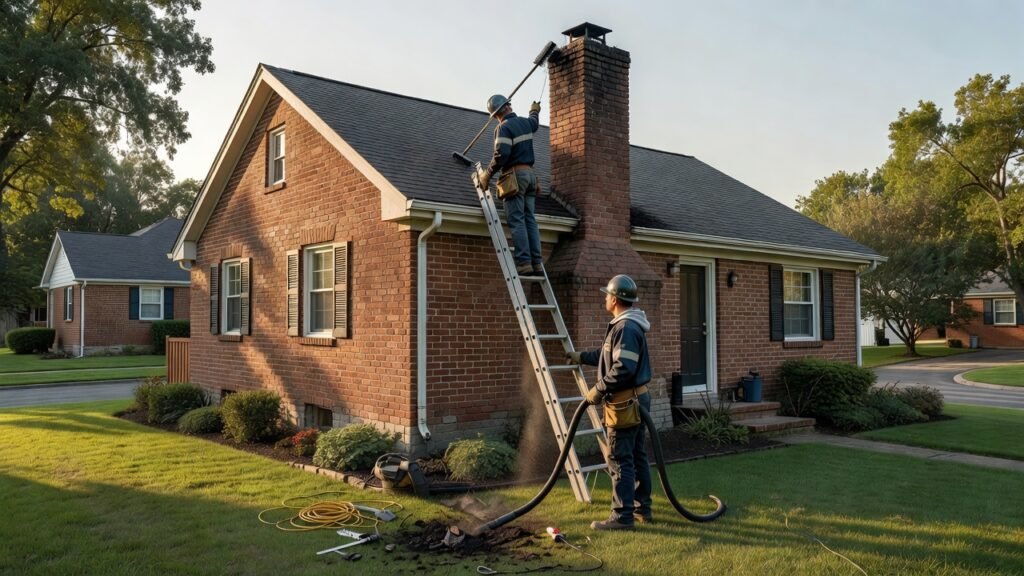
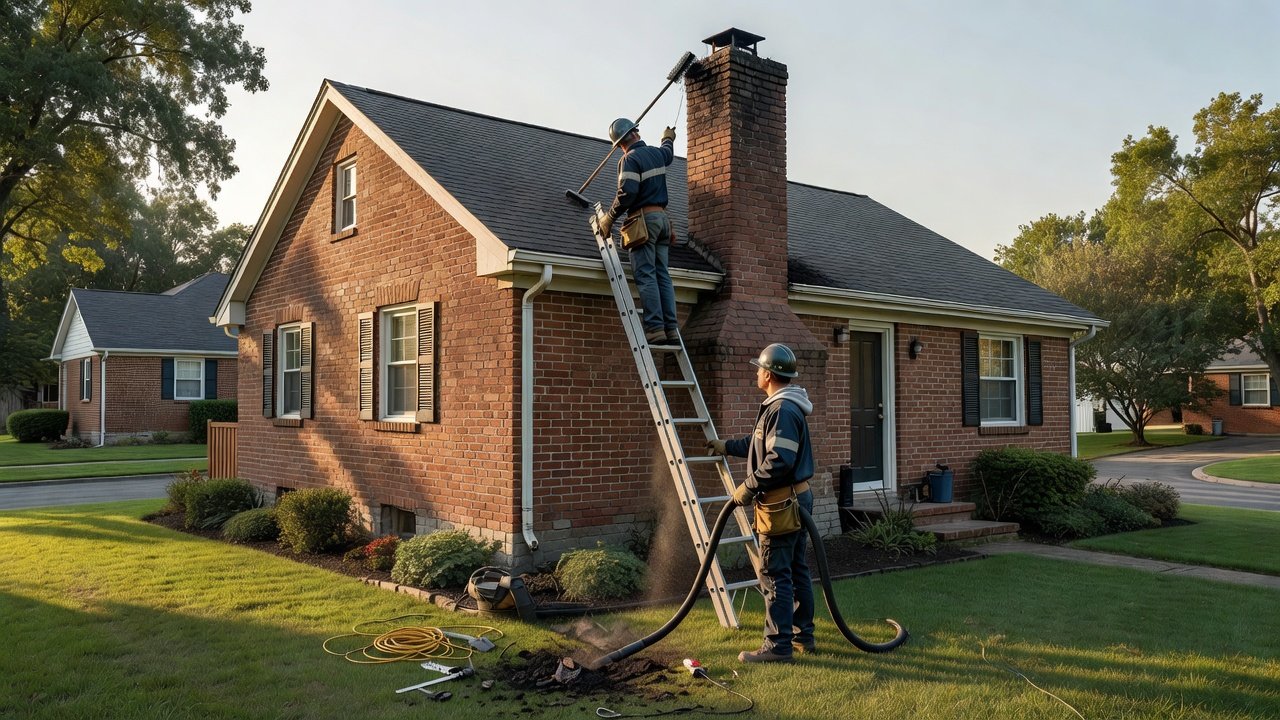
Chimney cleaning in Woodbury, NJ, may cost around $150 to $300 for a straightforward cleaning and inspection, although actual prices vary by provider and the condition of the chimney. Heavy creosote deposits, difficult roof access, additional inspection requirements, or damage to the flue can increase the total cost. Recognizing warning signs early can help homeowners determine when to schedule service and when a potential safety problem needs immediate attention. For homeowners in Woodbury, Deptford, Mantua, and nearby Gloucester County communities, understanding what to look for is a practical first step toward safer fireplace use.
What You Can See, Hear, or Smell
Some chimney problems produce visible signs inside the home or on the exterior masonry. Others require a professional inspection to identify. The signs below can help you decide what to do next, but they cannot confirm the condition of the entire chimney.
1. Black Soot or Staining Around the Fireplace
Black staining around the fireplace opening may indicate smoke spillage, poor draft, or another issue with the fireplace or venting system. Possible causes include a restricted flue, an improperly operating damper, or pressure problems inside the home.
If smoke enters the room during a fire, stop using the fireplace and arrange a professional assessment before lighting another fire. If a carbon monoxide alarm sounds or you suspect carbon monoxide exposure, leave the home immediately and call emergency services from a safe location.
What to do: Don’t assume that wiping away the soot will solve the problem. Ask a qualified chimney professional to assess the draft, flue, and damper.
2. A Strong, Tar-Like Smell From the Fireplace
Creosote is a combustible deposit formed during wood combustion. It can accumulate inside the flue, and its odor may become more noticeable during humid weather or when air moves down the chimney into the house. The Chimney Safety Institute of America (CSIA) identifies chimney deposits as one possible source of fireplace odors.
Creosote can range from loose deposits to hard, glazed material. The more difficult deposits may require specialized professional cleaning methods. However, an odor alone cannot establish how much creosote is present or whether the chimney is safe to use.
What to do: If the smell persists, arrange an inspection and ask whether cleaning is needed before your next fire. Chemical cleaning products should not replace professional inspection and appropriate mechanical cleaning.
3. You Haven’t Had the Chimney Inspected in a Year
The CSIA and the National Fire Protection Association recommend having chimneys inspected at least once a year. Cleaning should be performed when the inspection shows that it is necessary. How often cleaning is needed depends on fireplace use, fuel, burning practices, and the condition of the system.
Homeowners who regularly burn wood throughout the winter may accumulate deposits that require cleaning. Those who use their fireplaces only occasionally may have different maintenance needs. The number of fires alone does not establish whether cleaning is required.
What to do: If your annual inspection is overdue, schedule one. Ask the technician to explain the findings and whether cleaning or repairs are recommended.
4. White Staining on the Exterior Chimney
White deposits on brick or masonry are often called efflorescence. They form when moisture moves through masonry and carries soluble salts to the surface. Efflorescence may indicate moisture movement, but it does not by itself prove that the chimney has serious structural damage.
Water can enter through damaged mortar joints, a deteriorated crown, or a missing or faulty cap. Persistent moisture may contribute to masonry deterioration and can affect other chimney components over time.
What to do: Arrange an assessment if the staining persists or appears alongside cracked mortar, flaking brick, or other signs of deterioration. Ask the professional to investigate possible water entry rather than treating the white staining alone.
5. Pieces of Tile or Other Debris in the Firebox
Small pieces of reddish or orange material in the firebox may come from a damaged clay flue tile, but debris can have other sources. A cracked or deteriorated liner deserves attention because the liner helps contain combustion gases and protect nearby building materials from heat.
Damage inside the flue may not be visible from the fireplace opening. A Level 2 inspection includes a more detailed examination of the chimney and an internal video scan or similar assessment of the flue. This inspection level may be appropriate when damage is suspected, or a less detailed inspection cannot establish the chimney’s condition.
What to do: Stop using the fireplace if you find suspected liner fragments or have reason to believe the liner is damaged. Arrange a professional inspection before using it again.
6. Difficulty Starting a Fire or Smoke Backing Into the Room
If a fireplace that previously drafted well begins to send smoke into the room, something may have changed. Potential causes include a flue obstruction, creosote buildup, a damper problem, or pressure differences inside the home.
Changes such as new windows or weatherstripping can affect airflow in some homes, but they are not the only possible explanation. A professional should evaluate the complete venting system before recommending a solution.
What to do: Stop using the fireplace until the cause has been identified. Do not continue burning wood in an attempt to clear the problem. If a carbon monoxide alarm activates or exposure is suspected, evacuate and contact emergency services.
7. Scratching, Rustling, or Chirping Inside the Chimney
Unusual sounds may indicate birds or other animals in the chimney. A nest or other obstruction can restrict the flue and interfere with venting. A chimney cap can help prevent animals and debris from entering when it is appropriately designed and installed for the system.
However, do not assume that every sound means an animal should be removed immediately. Some birds, including chimney swifts, are protected under the federal Migratory Bird Treaty Act. Their nests, eggs, and young may not be disturbed without appropriate authorization.
What to do: If you hear ongoing activity, contact a qualified professional who can identify the source and determine the appropriate next step. Do not light a fire or attempt to remove an occupied nest yourself.
What Affects Chimney Cleaning Costs in Woodbury?
The final price depends on the work the chimney actually needs. A straightforward cleaning is different from an appointment that requires additional inspection or repairs.
Condition and amount of creosote
Loose soot and ordinary creosote deposits can generally be removed using standard cleaning methods. Hard or glazed deposits may require specialized equipment or additional treatment, increasing the time and cost involved. The appropriate method should be selected by a qualified professional after assessing the deposits.
Chimney height and roof access
Chimney height, roof pitch, and the accessibility of the work area can affect the time and equipment needed. Ask whether the quoted price includes the expected access requirements.
Inspection level
A routine Level 1 inspection may be sufficient when the system has not changed and no additional concerns are identified. A Level 2 inspection involves a more detailed examination and internal flue scanning. It may be recommended when there is suspected damage, a chimney fire, a change in the system, or a property transfer.
Ask the contractor to explain why a particular inspection level is appropriate and whether it is included in the quoted price.
Repairs and replacement parts
Cleaning does not automatically include repairs. Repointing mortar joints, replacing a damaged chimney cap, repairing a crown, or relining a flue may be priced separately. If a technician identifies a problem, request photographs when appropriate and an itemized estimate before authorizing additional work.
Credentials and service scope
A CSIA credential can indicate that a chimney professional has demonstrated relevant knowledge of chimney and venting systems. Ask what the service includes, what qualifications the technician holds, and whether you will receive written findings. Certification is useful to check, but it is not a guarantee of workmanship.
The original $150 to $300 range should be treated only as an illustrative budgeting estimate, not a verified current average for Woodbury. Request a local quote based on your chimney’s condition and the work proposed.
Schedule a Chimney Inspection in Woodbury, NJ
If you notice persistent fireplace odors, smoke spillage, suspected liner debris, or visible masonry deterioration, arrange an assessment rather than assuming a routine cleaning will solve the problem. If the chimney may be unsafe, stop using it until a qualified professional has evaluated it.
Chimney Evergreen is named as a provider serving Woodbury and surrounding Gloucester County communities, including Deptford and Mantua. Before publishing a free-inspection offer or specific service-area claims, verify them directly with the company.
Ask for a clear explanation of the findings, a written estimate, and a description of any recommended cleaning or repairs. An inspection can help you understand what your chimney needs before the next heating season and avoid paying for work that has not been adequately explained.
Related from Evergreen Chimney Woodbury NJ: Chimney Sweep in Woodbury, NJ — Evergreen Chimney · Chimney Sweep in Woodbury, NJ — Evergreen Chimney