
What Woodbury and Mantua Homeowners Get Wrong About Fireplace Cleaning
Fireplace cleaning in Woodbury, Mantua, and surrounding Gloucester County communities is about more than removing visible soot. A chimney can develop creosote buildup, animal obstructions, or structural deterioration even when a fireplace is used only occasionally. The Chimney Safety Institute of America (CSIA) follows NFPA 211 guidance recommending annual chimney inspections, with cleaning, maintenance, and repairs performed when necessary. Understanding a few common misconceptions can help homeowners recognize when professional service is appropriate.
“We Barely Use It, So It Probably Doesn’t Need Cleaning”
Using a fireplace less often may reduce the amount of creosote that accumulates, but it does not eliminate the need for inspection. Animals can enter an open chimney, debris can obstruct the flue, and masonry or other components can deteriorate while the fireplace sits unused.
Before lighting the first fire of the season, homeowners should make sure the fireplace and chimney have been inspected as recommended. An annual inspection can identify problems that are not obvious from the living room. If deposits or other conditions require attention, the technician can recommend the appropriate cleaning or repair.
“I Can See the Flue Is Clear, So It’s Fine”
Looking up from the firebox provides only a limited view of the chimney. A visible opening does not confirm that the entire flue is clear or that the liner is in good condition.
Creosote can accumulate farther up the chimney, while cracks or other damage may remain hidden from view. A Level 1 inspection evaluates readily accessible portions of the chimney and connected appliance. A Level 2 inspection provides a more detailed evaluation and includes an internal video scan when feasible.
A Level 2 inspection is not automatically necessary for every fireplace. It may be appropriate after a chimney fire, a change in the appliance or fuel type, a property sale, or another event that may have affected the chimney. The inspection level should reflect the circumstances and the condition of the system.
“Chimney Cleaning Is Just About Soot”
Soot is only one type of deposit that can accumulate in a chimney. Creosote forms when combustion byproducts from burning wood cool and condense on interior surfaces. Depending on its condition, it can appear flaky, sticky, tar-like, or hard and glazed.
CSIA recommends cleaning masonry fireplaces when sooty buildup reaches approximately 1/8 inch or sooner if glaze is present. Hard or glazed deposits may require specialized cleaning methods. The appropriate approach depends on the material and condition of the deposits.
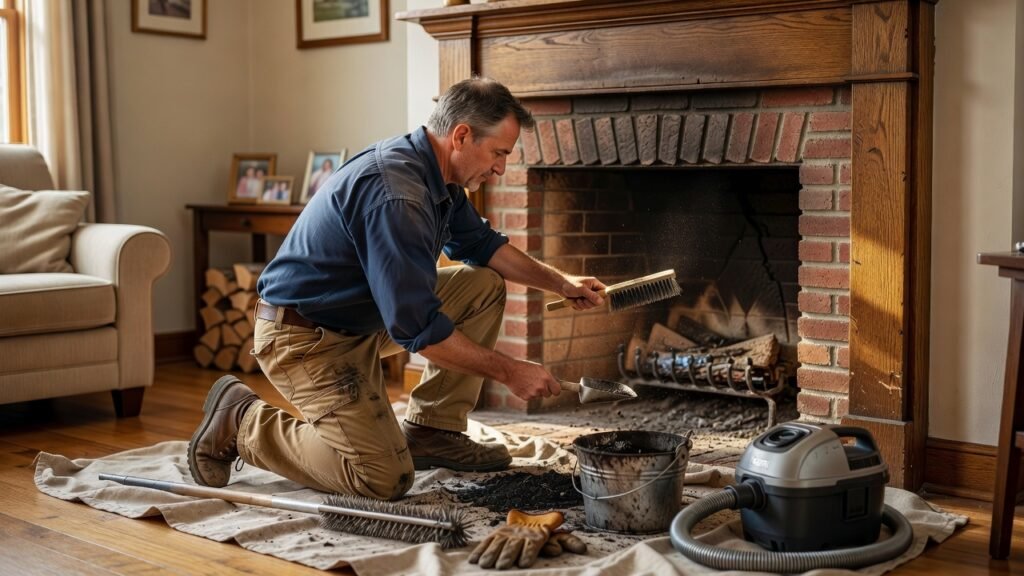
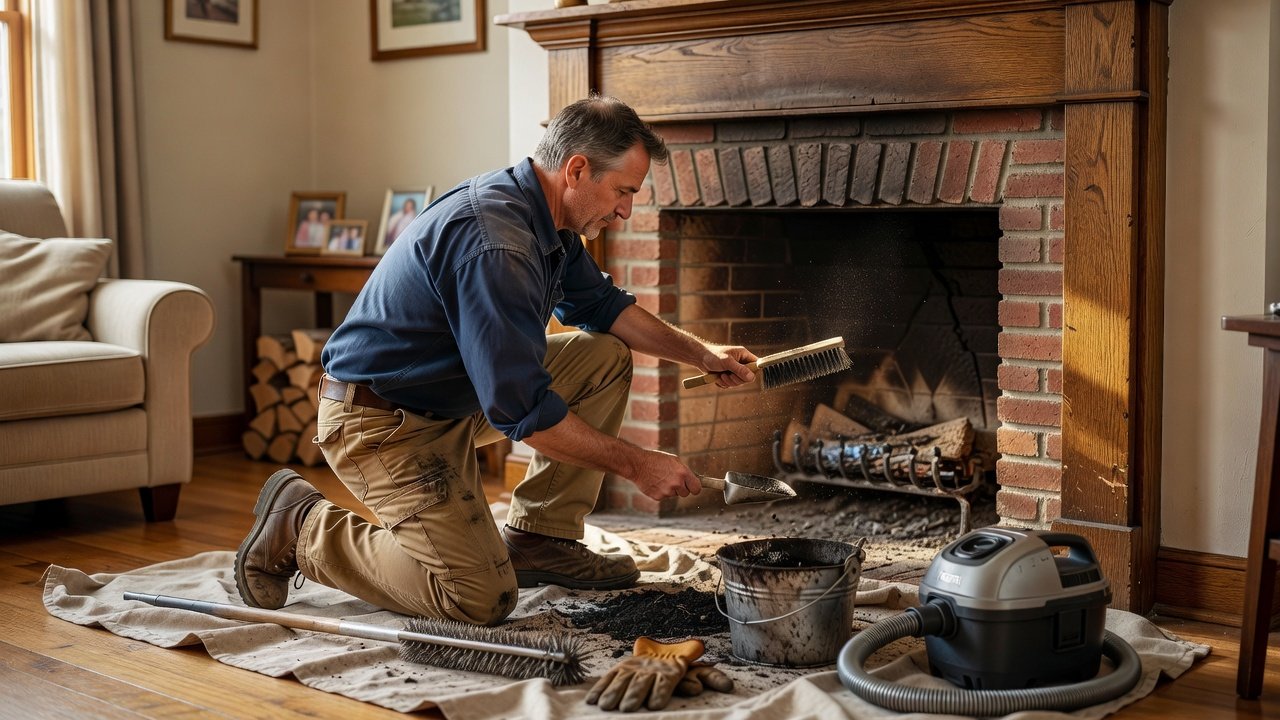
A complete chimney sweeping includes the flue and smoke chamber, not simply brushing the visible firebox. A professional can also inspect accessible components for signs of deterioration, obstruction, or other concerns. Cleaning and inspection are related services, but they are not the same thing.
“Any Handyman Can Do This”
Basic fireplace maintenance is different from a complete chimney inspection and sweeping. Professional chimney work requires appropriate tools and knowledge of flue liners, clearances, venting, deposits, and chimney construction.
Using unsuitable equipment can damage chimney components or leave deposits behind. Difficult or glazed creosote may require specialized mechanical cleaning, which CSIA advises should be performed by professionals familiar with the equipment.
When choosing a chimney sweep in Woodbury or Mantua, ask about relevant training, credentials, experience with your type of fireplace, and insurance. CSIA certification is one credential homeowners can check when evaluating a chimney professional.
Do not assume that every general contractor lacks chimney expertise, or that a certification alone guarantees the quality of every job. Ask what the service includes and how the contractor documents the findings.
“I Had It Cleaned Two Years Ago, So I’m Still Covered”
A previous cleaning does not guarantee that the chimney remains in good condition. Deposits can accumulate again, while weather exposure, animal activity, and ordinary deterioration can create other problems.
CSIA follows the NFPA 211 recommendation for annual inspections, with cleaning performed when necessary. The frequency of cleaning depends on the type of system, fuel, usage, and burning habits. A household that burns wood frequently may need cleaning sooner than one that uses its fireplace occasionally.
There is no reliable single price that applies to every chimney in Gloucester County. Costs depend on the inspection level, chimney configuration, accessibility, cleaning requirements, and any additional work. Ask for a written estimate that separates inspection, cleaning, and repairs so you know what you are paying for.
“A Clean Chimney Must Be a Safe Chimney”
Cleaning removes deposits, but it does not automatically correct structural damage. A chimney can be free of heavy creosote and still have a damaged liner, deteriorated mortar, a defective damper, or an obstruction.
A professional inspection can identify visible and accessible concerns and determine whether further evaluation is needed. After a suspected chimney fire, CSIA recommends having the chimney professionally evaluated before using it again. The chimney may need sweeping followed by an internal video inspection to check for cracked flue tiles, failed mortar joints, or damaged metal components.
If smoke enters the living space during a fire, stop using the fireplace and have the system evaluated. Smoke entering the home can indicate a problem with the appliance, chimney, or venting.
What Woodbury and Mantua Homeowners Should Do Before the Next Fire
Before using your fireplace, confirm that the chimney has received its recommended annual inspection. Look for obvious exterior damage from the ground, check that the damper operates properly, and pay attention to smoke, unusual odors, visible deposits, or signs of animal activity.
If you notice a problem, ask a qualified chimney professional to explain the findings and recommend the appropriate next step. Confirm whether the quote includes inspection, cleaning, or additional services before authorizing the work.
For homeowners in Woodbury, Mantua, Deptford, and nearby Gloucester County communities, the goal is straightforward: keep the chimney inspected, clean it when necessary, and address damage before it becomes a more serious concern.
If you are considering Chimney Evergreen, verify the company’s current service area, qualifications, inspection scope, and pricing directly before booking. Ask for a written explanation of any recommended repairs rather than relying on a general promise of a free inspection.
Related from Evergreen Chimney Woodbury NJ: Chimney Cleaning in Woodbury, NJ Professional Service by Evergreen Chi
Our services
Chimney Sweep in Wenonah · Chimney Sweep Mantua · Chimney Sweep in Deptford · Chimney Sweep in Woodbury · Chimney Sweep in Woodbury, NJ · Chimney Sweep in Woodbury