
Your Chimney Cap Is Gone: Here’s How to Tell Before the Damage Shows Up
Many Woodbury and Mantua homeowners rarely think about their chimney cap until they notice water in the fireplace or hear animals inside the chimney. A missing, damaged, or improperly fitted cap can allow rain, debris, and wildlife to enter the chimney. Over time, moisture can contribute to deterioration of masonry and other chimney components. Some warning signs are visible from the ground or inside the fireplace. Others require a professional inspection to confirm what is happening inside the chimney.
What a Chimney Cap Actually Does
A chimney cap or rain cap is installed at the top of a chimney to help keep rain, snow, leaves, and animals from entering the flue while allowing combustion gases to escape through the properly designed termination.
A properly installed cap should be compatible with the chimney and flue configuration. It should also remain secure and should not obstruct the flue or interfere with the appliance’s venting requirements.
CSIA guidance emphasizes the importance of regular chimney inspections and proper evaluation of chimney components. CSIA’s inspection materials also call for the rain cap to be checked for obstruction and to ensure it does not restrict the top of the chimney.
For homeowners in South Jersey, moisture is an important concern. Freeze-thaw cycles can contribute to deterioration of masonry when water enters cracks and porous materials. A damaged cap is therefore one part of a chimney system that deserves attention when signs of water intrusion appear.
Signs Your Chimney Cap May Need Attention
Water in the Firebox After Rain
Open the fireplace damper and look inside the firebox after significant rainfall. Wet areas, water staining, rust, or unexplained moisture can indicate that water is entering the chimney system.
A missing or damaged cap can be one possible source. However, water can also enter through problems involving the crown, flashing, masonry, or other parts of the chimney.
If you repeatedly find water in the fireplace after rain, have the chimney evaluated rather than assuming the cap is the only problem.
Dark Staining Around the Flue
If you can safely view the chimney from the ground with binoculars, look for unusual staining around the flue opening or crown.
Dark staining can have several causes, including soot, moisture, biological growth, or material being carried by rainwater. It does not by itself prove that the chimney has been missing a cap for a particular amount of time.
If the staining is accompanied by visible damage, water intrusion, or a missing cap, a professional inspection can determine the cause.
Animals or Birds Inside the Chimney
Scratching, rustling, chirping, or other sounds inside the chimney can indicate that wildlife has entered through an open or damaged termination.
Chimney swifts are a special consideration. The U.S. Fish and Wildlife Service identifies chimney swifts as migratory birds protected by the Migratory Bird Treaty Act. Their nests and eggs are protected, and homeowners should avoid disturbing active birds or nests.
The Fish and Wildlife Service specifically advises against capping or installing wire screening on a chimney that is being used by chimney swifts.
If you hear birds inside the chimney, do not assume that installing a cap immediately is the correct solution. Have the situation evaluated by someone familiar with chimney wildlife and applicable bird-protection requirements.
Rust on the Damper
Surface rust on a damper does not automatically mean the chimney cap has failed. However, significant corrosion or a damper that no longer operates correctly can warrant further evaluation.
Moisture entering from above is one possible cause of corrosion. A chimney inspection can help determine whether the problem is related to the cap, crown, flashing, liner, or another component.
White Efflorescence on the Masonry
White, chalky deposits on brick or masonry are commonly known as efflorescence. They occur when moisture moves through masonry and carries dissolved mineral salts toward the surface.
Efflorescence does not prove that a missing chimney cap is the source of the moisture. Water can enter through multiple points in a chimney system.
If you notice new or increasing efflorescence around the chimney, look for other signs of water intrusion and consider having the chimney evaluated.
Debris in the Firebox
Leaves, twigs, nesting material, or other unusual debris inside the fireplace can indicate that material has entered the chimney from above.
Wildlife can also leave nesting material inside the chimney. Before lighting another fire, have significant debris or suspected animal activity evaluated.
The U.S. Fish and Wildlife Service specifically recommends checking for evidence of chimney swift activity and taking care not to disturb active birds or nests.
A Cap That Is Visibly Missing or Tilted
This is the most obvious sign.
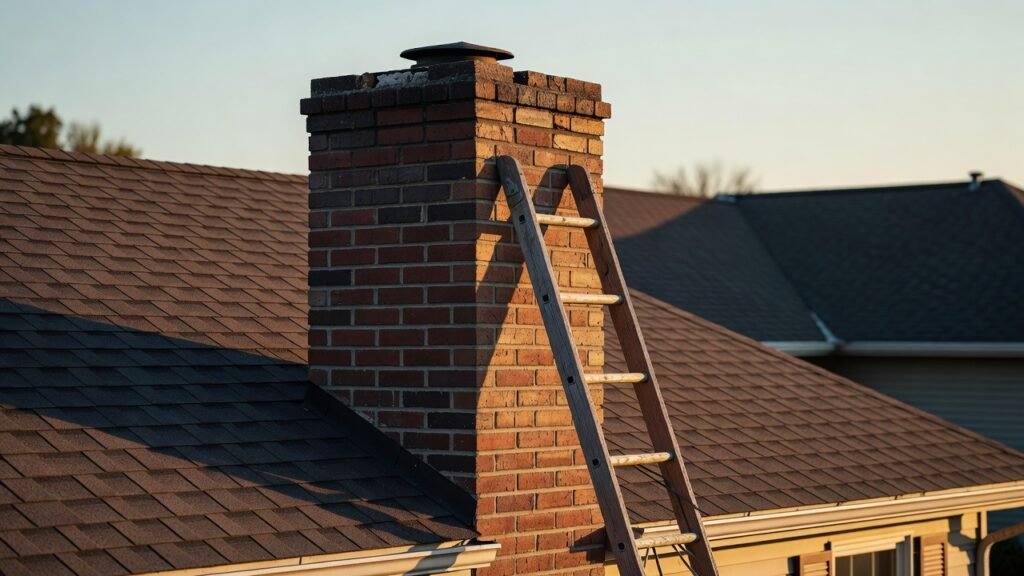
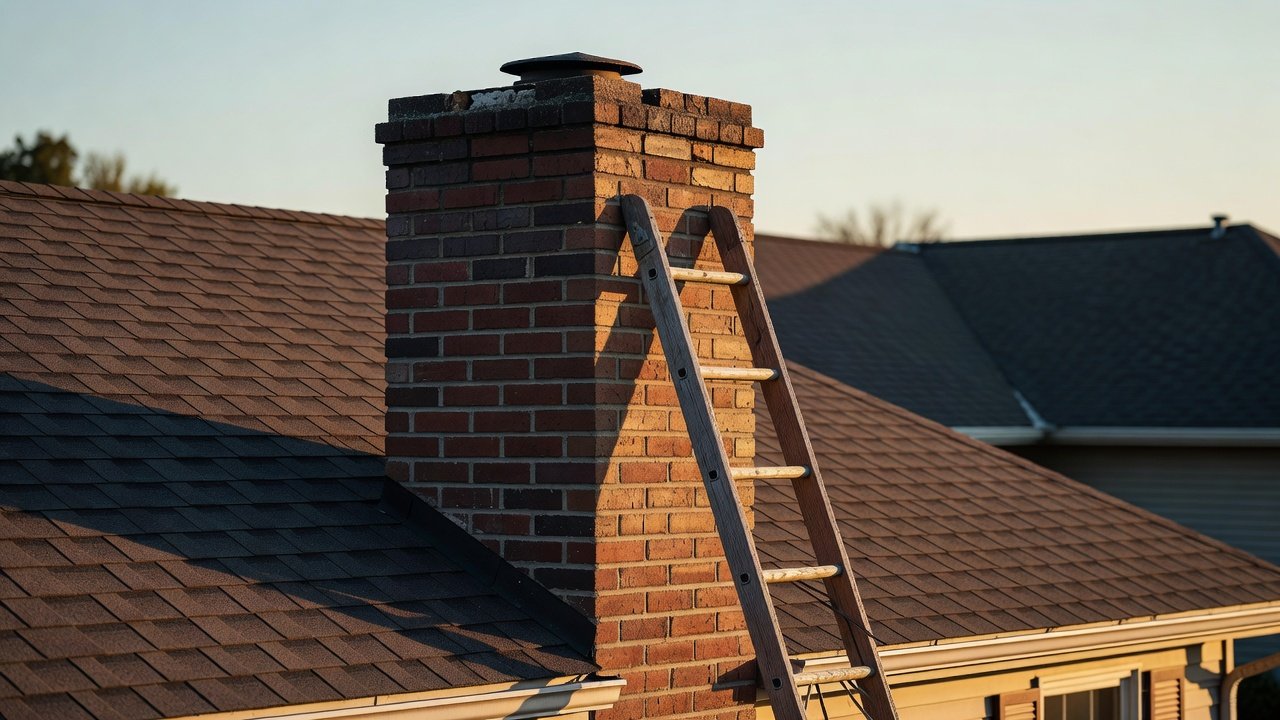
From a safe location on the ground, use binoculars to look at the chimney termination. If you can clearly see an exposed flue opening or a cap that has shifted significantly, the chimney should be evaluated.
Do not climb onto a roof simply to inspect the cap. Roof and chimney work can involve significant fall hazards.
Damaged or Missing Mesh
Some chimney caps include mesh designed to help keep animals and debris out. Over time, mesh can corrode, bend, or become damaged.
Do not assume the condition of the mesh based solely on the age of the cap. Inspect its actual condition from a safe location or have a professional examine it.
The appropriate cap design also depends on the chimney, flue, appliance, and local requirements. A replacement should therefore be properly sized rather than selected solely because it fits the visible opening.
What You Can Check Yourself
Homeowners can safely perform several basic observations without climbing onto the roof.
You can:
- Look inside the firebox for unexplained water or debris.
- Check whether the damper operates normally.
- Look at the chimney from the ground with binoculars.
- Watch for visible changes in the crown or masonry.
- Listen for animal or bird activity.
- Note when water appears after rain.
These observations can help identify a problem, but they cannot replace an inspection of the chimney’s internal components.
What Should Be Left to a Professional
Do not climb onto a steep or difficult roof to inspect or repair the chimney cap yourself.
A professional should handle tasks that require roof access, detailed flue measurements, evaluation of the liner, or installation of a rooftop component.
The correct cap must match the chimney configuration and should not obstruct the flue. CSIA inspection guidance calls for evaluation of the chimney termination, including the crown, flashing, flue dimensions, and rain cap where present.
If the cap is missing because of storm damage or deterioration, the inspection should also look for related problems rather than treating the cap as an isolated component.
How Much Does Chimney Cap Installation Cost?
There is no single price that applies to every chimney cap installation.
The final cost can depend on:
- Number of flues
- Chimney height
- Roof accessibility
- Cap material
- Custom versus standard construction
- Condition of the crown
- Condition of the masonry
- Whether repairs are required before installation
A simple replacement may be very different from a custom multi-flue installation that also requires masonry or crown repairs.
Instead of relying on a generic online price range, ask for a written estimate that explains the cap being installed, the material being used, labor, access requirements, and any recommended repairs.
Get a Chimney Inspection Before Installing a New Cap
A chimney cap should not be treated as a one-size-fits-all purchase.
Before ordering a replacement, have the chimney evaluated so the technician can determine whether the existing cap is actually the problem and whether other components need attention. A professional inspection can also help identify liner damage, water intrusion, crown deterioration, flashing problems, or other conditions that may affect the chimney.
CSIA maintains a public directory that homeowners can use to verify CSIA credentials.
Evergreen Chimney serves Woodbury, Mantua, Deptford, and surrounding Gloucester County communities with chimney inspections and chimney cap services.
If your chimney cap is missing, damaged, or visibly out of position, contact Evergreen Chimney to discuss an inspection and determine what your chimney actually needs.
Visit chimneyevergreen.com to learn more or request an appointment.
Related from Evergreen Chimney Woodbury NJ: Chimney Cleaning in Woodbury, NJ Professional Service by Evergreen Chi · Chimney Sweep in Woodbury, NJ — Evergreen Chimney · Chimney Sweep in Woodbury, NJ — Evergreen Chimney