
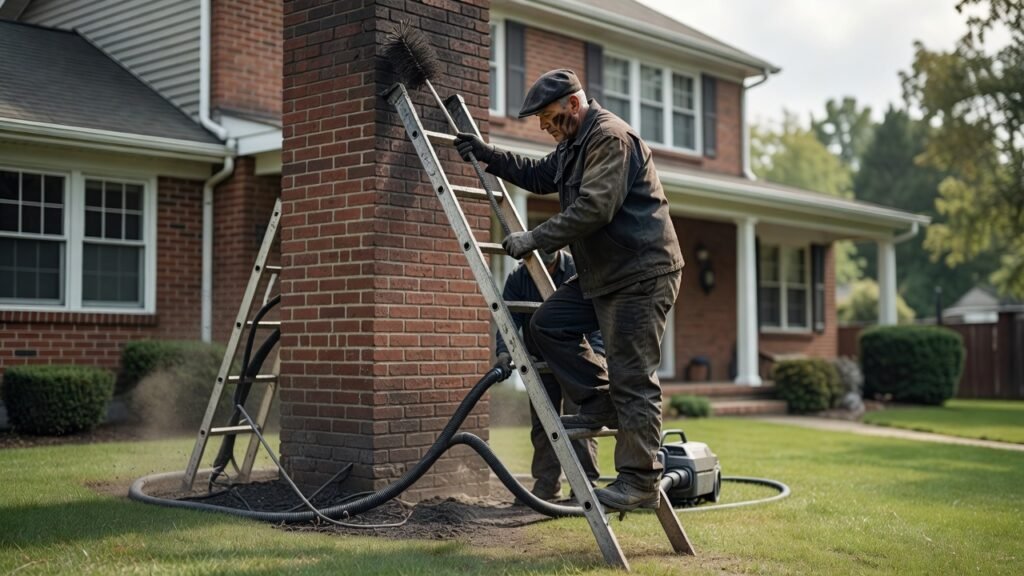
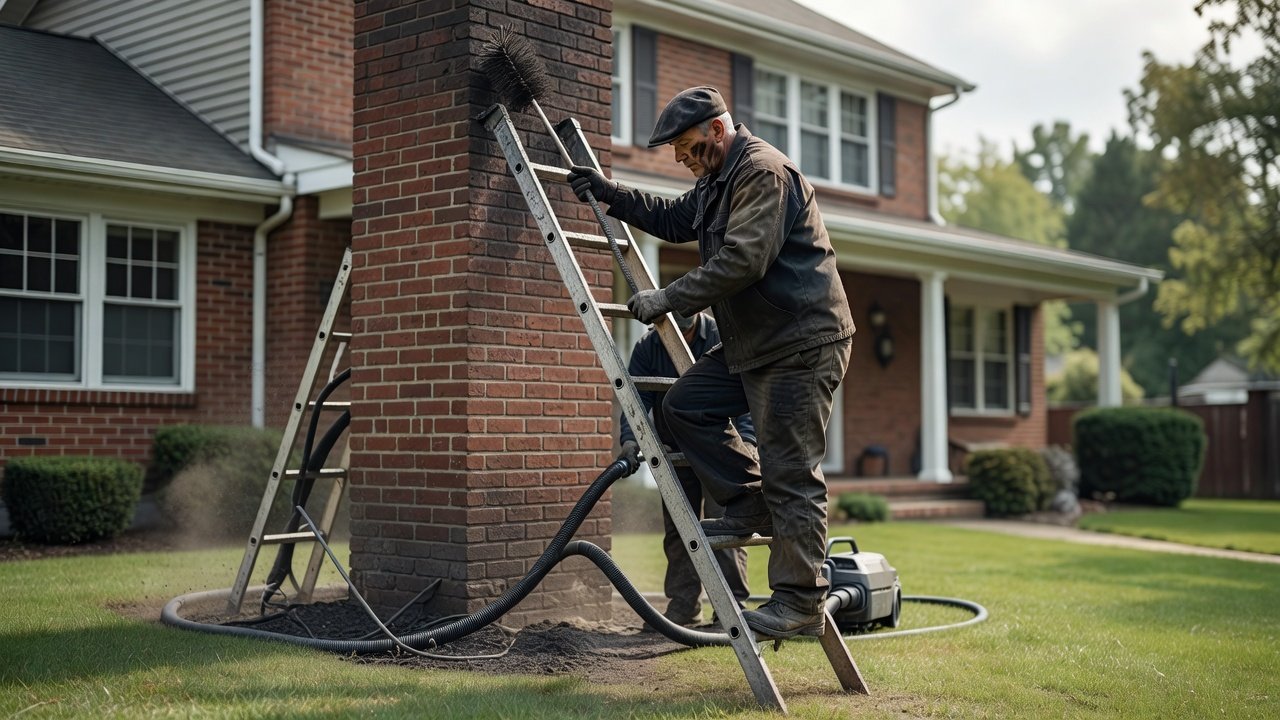
Your Chimney Is Telling You Something: Are You Listening Before Winter Hits?
Most Woodbury homeowners don’t think about their chimney until the first cold snap in November. By then, certified chimney sweeps across Gloucester County can be booked weeks out, and any repair found during an inspection can push the timeline even further. Homeowners who schedule in September have more flexibility, while those who wait until the first cold spell may have fewer options. If you’re searching for a chimney sweep near Woodbury or Deptford because something seems wrong, knowing which signs need immediate attention can help you act before winter.
Why Timing Matters More Than Most Homeowners Realize
The NFPA recommends regular chimney inspections, while the Chimney Safety Institute of America (CSIA) recommends annual inspections for chimneys connected to wood-burning fireplaces or stoves. Creosote buildup, liner cracks, and deteriorating mortar can develop without obvious symptoms. In Deptford and Woodbury, the main burning season typically runs from late October through March. Scheduling a chimney sweep in August or September gives you more appointment flexibility and leaves time for necessary repairs before the fireplace is used regularly.
A basic chimney cleaning in South Jersey generally runs between $150 and $250. More extensive repairs, such as liner work or firebox repairs, can cost significantly more. Addressing smaller problems before they develop is usually easier than waiting until they affect the entire chimney system.
Warning Signs That Mean Call a Pro Now
White staining on the outside of your chimney
That chalky white residue is called efflorescence. It indicates that moisture is moving through the masonry and carrying mineral salts toward the surface. Continued moisture exposure can contribute to deterioration of mortar, brick, and other chimney components. Have the chimney inspected rather than treating the staining as purely cosmetic.
A strong, persistent smoky or asphalt-like odor
A strong campfire or creosote-like smell coming from an unused fireplace can indicate buildup inside the flue. If the odor is persistent, especially during humid weather, have the chimney inspected before using the fireplace again.
Visible black or brown staining around the fireplace opening
Smoke should draft upward through the flue. Staining around the firebox opening can indicate a draft problem, damper issue, obstruction, or another ventilation concern. Stop using the fireplace until the cause has been identified.
Chunks of tile or clay in the firebox
Clay fragments that look like broken pottery may come from a deteriorating flue liner. A damaged liner can allow heat and combustion gases to reach areas of the home that should remain protected. Stop using the fireplace and have the liner professionally inspected.
Spalling brick on the chimney exterior
Spalling occurs when moisture enters masonry and repeated freezing and thawing causes the brick surface to break apart. Minor surface damage should still be evaluated, while larger sections of loose or falling brick warrant prompt professional attention before additional deterioration occurs.
The damper won’t open, close, or seal properly
A damper that will not open fully can restrict airflow and contribute to smoke entering the room. A damper that will not close properly can allow conditioned air to escape. A professional inspection can determine whether cleaning, adjustment, or replacement is appropriate.
Warning Signs Worth Monitoring
Minor mortar cracking between bricks
Hairline cracks are not necessarily an emergency, but they can provide an entry point for moisture. Have them evaluated during your next inspection, especially if the cracks become wider or more extensive.
A slightly stiff or noisy damper
If the damper still functions but has become harder to operate or makes unusual sounds, it may be showing signs of wear. It should be checked before the problem becomes a complete failure.
Slight discoloration inside the firebox
Light gray or white discoloration can occur with normal fireplace use. However, dark deposits, heavy buildup, unusual odors, or other changes should be mentioned during an inspection.
What to Expect When You Book a Sweep in Woodbury or Deptford
A Level 1 inspection covers accessible portions of the chimney system, including the firebox, damper, accessible flue, and exterior masonry. When cleaning is needed, the sweep removes soot, creosote, and other debris from the system.
A straightforward visit can take anywhere from about 45 minutes to 90 minutes depending on the chimney and what the technician finds. A Level 2 inspection adds video scanning of the flue and is used when conditions require a more detailed examination, such as certain property transfers or changes to the appliance or venting system.
A reputable technician should explain the findings and provide appropriate documentation. If additional repairs are recommended, ask what was found, why the repair is necessary, and what is included in the estimate.
Schedule Before the Rush
Chimneys in Woodbury, Deptford, and Mantua see regular use between November and March. Scheduling before the heating season gives you more time to address problems without the pressure of a last-minute appointment.
If you’ve noticed any of the warning signs above, contact Chimney Evergreen for a free inspection. Finding out what condition your chimney is in before winter is easier than discovering a problem after the first fire.
Related from Evergreen Chimney Woodbury NJ: Chimney Sweep in Woodbury, NJ — Evergreen Chimney · Chimney Sweep in Woodbury, NJ — Evergreen Chimney