
Chimney Liner Repair in Woodbury, NJ: What You Can Handle and What You Shouldn’t
The liner inside your chimney does important work every time you light a fire. It contains combustion gases, protects surrounding masonry from heat transfer, and helps keep carbon monoxide from entering living spaces through deteriorating brick and mortar. Most Woodbury homeowners don’t think about the liner until something goes wrong, such as a Level 2 inspection revealing a crack or a camera inspection showing unexpected damage.
This guide focuses on chimney liner repair, what the process involves, what a capable homeowner can reasonably handle, and where the work should be left to a qualified professional.
What a Chimney Liner Actually Does and Why Damage Matters
NFPA 211, the standard governing chimneys and venting in the United States, requires flue liners to be free of cracks, gaps, and deterioration. A compromised liner can allow flue gases, including carbon monoxide, to reach areas they should not.
It can also expose surrounding combustible materials to excessive heat. During a chimney fire, temperatures inside the flue can exceed 2,000°F.
Older homes in Woodbury, Deptford, and Mantua were frequently built with unlined or clay-tile-lined chimneys. Clay tile is durable but can deteriorate over time. South Jersey freeze-thaw cycles can crack tile sections, while a chimney fire can cause severe damage.
Deteriorated clay liner fragments settling at the bottom of the flue are among the findings that can indicate liner deterioration. When liner damage is confirmed, continued fireplace use should be addressed with a qualified professional before the system is operated again.
What You Can Actually Do Yourself
Not every task around your fireplace requires a professional. A careful homeowner can handle several basic maintenance tasks.
Cleaning the firebox: Remove ash and debris, then clean the firebox walls with an appropriate fireplace brush and cleaner.
Checking the damper: Inspect accessible areas for visible rust, warping, or debris.
Clearing the firebox area: Keep the area around the fireplace opening clear and check the smoke shelf for visible debris.
Replacing an exact-fit damper plate: If the existing throat plate is corroded and the replacement is specifically designed for your fireplace, this may be manageable for an experienced homeowner.
Inspecting exterior masonry: A ground-level inspection can help identify visible cracks, deteriorating mortar, or other obvious problems.
Checking the chimney cap: You can visually inspect the cap from the ground and identify obvious damage or missing components.
These tasks still require basic precautions such as eye protection, appropriate footwear, and a dust mask when dealing with ash or fine particulate.
What Genuinely Requires a Professional
Liner repair itself should not be treated as a DIY project.
Call a professional for:
- Cracks, spalling, or gaps in a clay-tile liner
- Stainless steel liner replacement or installation
- Poured refractory liner systems
- Relining after an appliance or fuel-type conversion
- Liner work connected to gas appliances
- Full flue assessments using chimney camera equipment
- Liner repairs that need documentation for a real estate transaction
The reasons go beyond caution.
Liner installation requires sizing calculations based on the appliance, flue height, configuration, and fuel type. Installing the wrong diameter liner can contribute to poor draft, smoke spillage, or excessive creosote accumulation.
Poured refractory systems also require product-specific installation procedures and curing requirements. A repair that looks acceptable from the outside can still fail to provide the protection the chimney system needs.
Warranty protection is another consideration. Many liner manufacturers have specific installation requirements for their warranties, so homeowners should verify those requirements before attempting any installation themselves.
What the Repair Process Actually Looks Like
If you contact Chimney Evergreen about a suspected liner problem, the process begins with an assessment of the full flue.
A camera inspection can identify the location and extent of liner damage. The technician can then review the findings with you and document the condition.
The repair method depends on what the inspection reveals.
Minor deterioration between clay-tile sections may sometimes be addressed with an appropriate high-temperature repair system. More extensive damage, including multiple cracked tiles or significant gaps, may require complete relining.
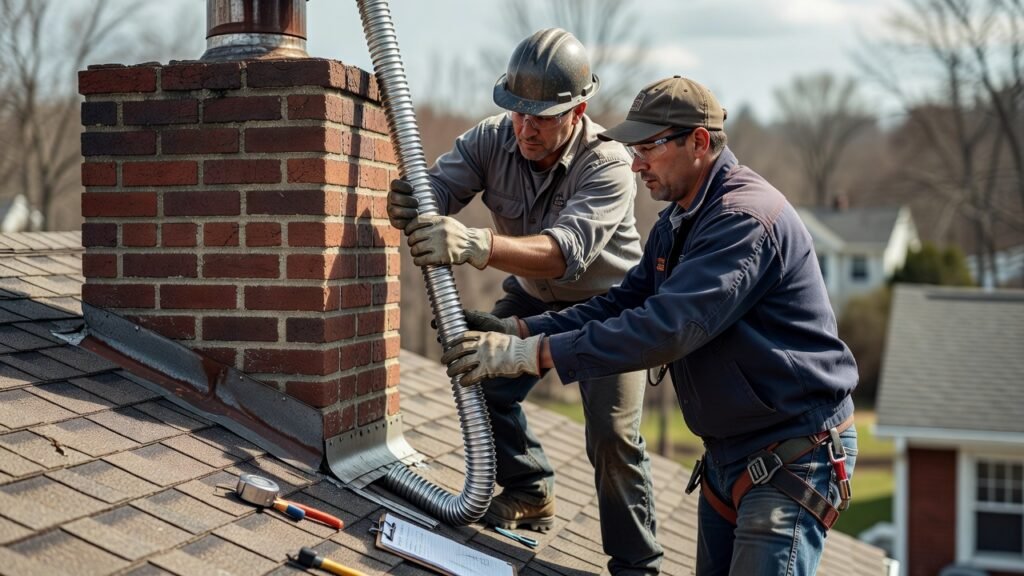
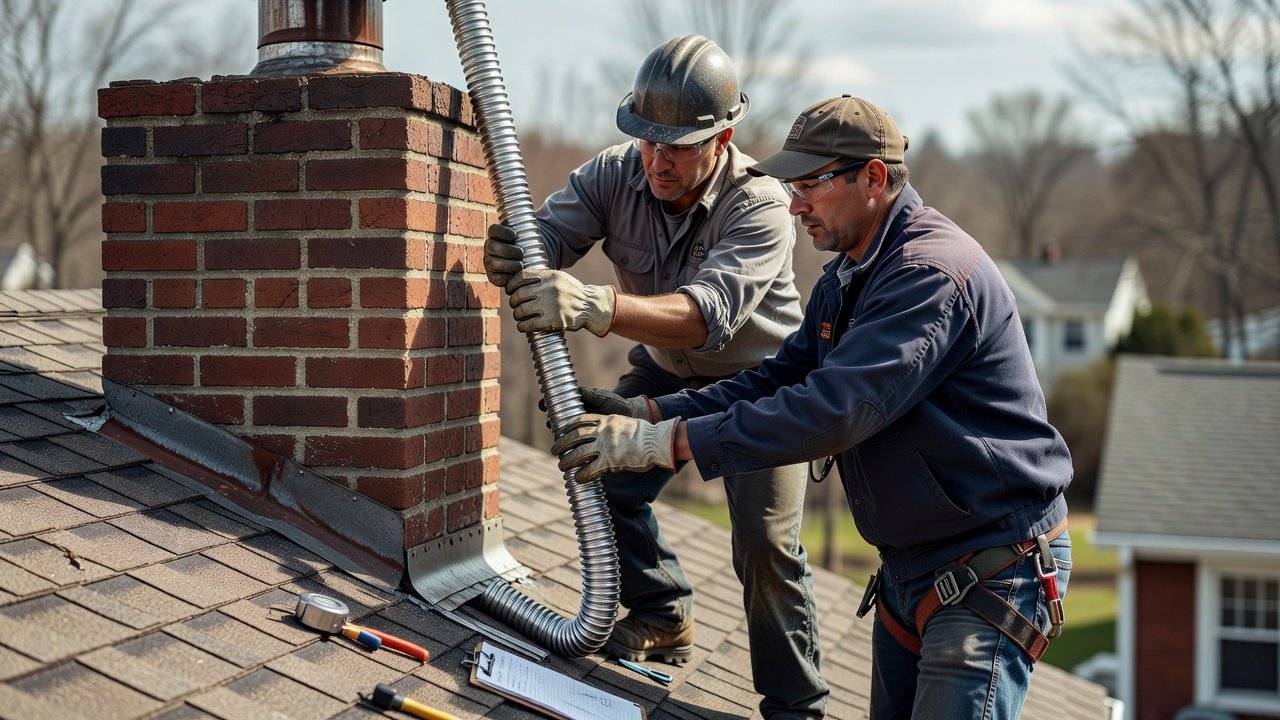
A stainless steel liner installation can often be completed in one day on a standard Woodbury colonial or Cape Cod. The liner is routed through the existing flue and connected to the fireplace or appliance. The termination at the top is properly secured, and the system is checked after installation.
Poured refractory systems can take longer because the material needs time to cure. They can be useful for certain irregularly shaped flues where a conventional round or oval liner is not appropriate.
Cost Context for Gloucester County Homeowners
Liner repair and relining costs vary significantly based on the condition and configuration of the chimney.
A minor repair using an appropriate refractory sealant might run $300 to $600.
A single-story stainless steel liner installation for a wood-burning fireplace in Woodbury typically falls between $1,800 and $3,500, depending on flue height and liner diameter.
Two-story installations and complicated chimney configurations can cost more.
When comparing estimates, don’t focus only on the lowest number. A chimney liner is a long-term safety component. The more important comparison is whether each contractor is proposing the appropriate repair for the condition that was actually documented.
What to Do After a Home Inspection Finds Liner Damage
Many Woodbury and Deptford homeowners discover chimney concerns during a home purchase. Getting a second professional assessment is reasonable if an inspection report identifies a potential liner problem.
What is not advisable is simply ignoring a documented deficiency.
A damaged liner does not repair itself over the course of a season. If an inspection has identified a potential safety issue, have the condition evaluated before continuing to use the fireplace.
Schedule a Free Chimney Inspection in Woodbury
Chimney Evergreen serves Woodbury and surrounding Gloucester County communities, including Deptford, Mantua, and Sewell.
If you have questions about a chimney liner, an existing inspection report, or something you’ve noticed during a walk-around, contact us for a free chimney inspection. Getting the condition documented before the heating season is underway can help you understand what needs attention and what does not.
Related from Evergreen Chimney Woodbury NJ: Chimney Cleaning in Woodbury, NJ Professional Service by Evergreen Chi · Chimney Repair in Woodbury, NJ · Chimney Sweep in Woodbury, NJ — Evergreen Chimney