
What Mantua Homeowners Usually Get Wrong About Chimney Inspections
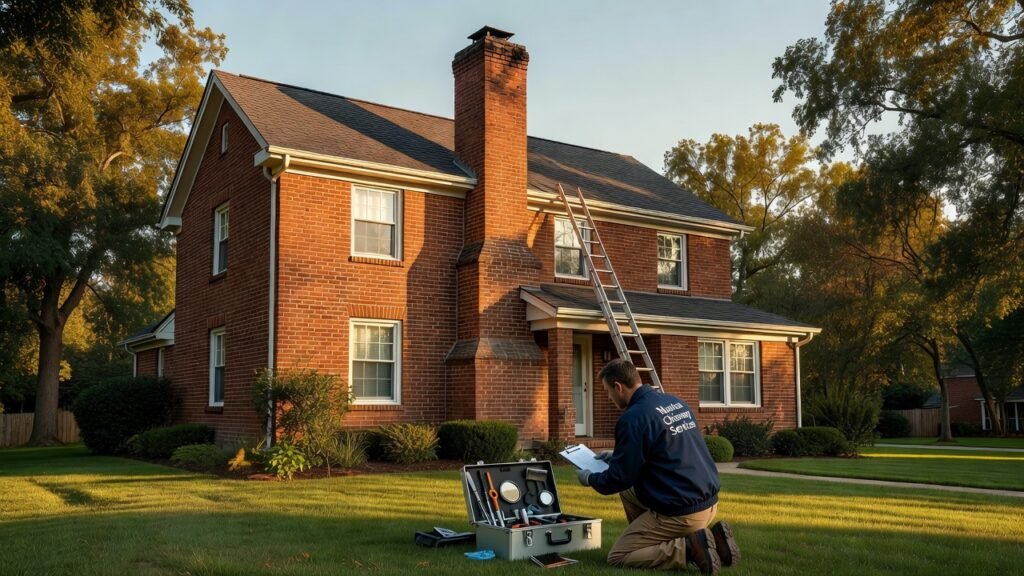
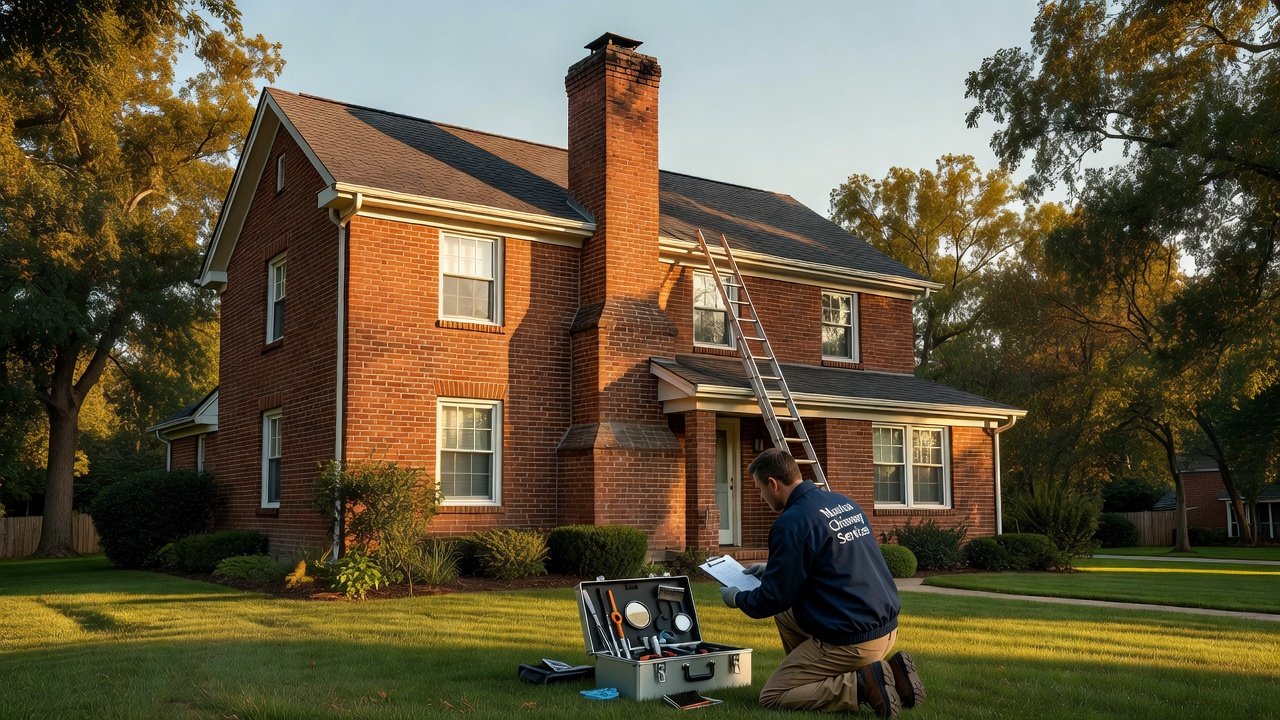
Most homeowners in Mantua, Woodbury, and surrounding Gloucester County communities think about their chimney twice a year: when they light the first fire of fall and when they notice a problem. That long gap is where dangerous assumptions can develop. A chimney inspection is not simply an add-on to a cleaning. It is a structured evaluation of the chimney system, and understanding what it covers can help homeowners identify problems before they become expensive or dangerous.
Cleaning and Inspection Are Not the Same Thing
One of the most common misconceptions is that a chimney cleaning automatically means the chimney has been inspected. These are two different services.
A chimney sweep removes creosote, debris, and blockages. An inspection evaluates the condition and operation of the chimney system, including the firebox, damper, smoke chamber, flue liner, crown, and other accessible components.
NFPA 211 defines three inspection levels. Level 1 covers accessible portions of the system during routine service. Level 2 provides a more detailed evaluation and can include video scanning of the flue. Level 3 involves opening concealed areas when necessary to investigate suspected problems.
A chimney can be clean while still having a cracked clay liner, deteriorated mortar, or damaged smoke chamber. Those problems may not be discovered through cleaning alone.
A Quick Look From the Firebox Isn’t Enough
Another common mistake is assuming that shining a flashlight into the flue provides a complete picture.
In many Mantua and Woodbury homes, the flue extends several feet above the firebox and may contain offsets or areas that cannot be seen from below. Glazed creosote, liner cracks, and animal debris can be located well beyond the visible section.
A professional inspection uses appropriate inspection equipment to evaluate areas that cannot be seen from the firebox. Depending on the inspection level and system, this may include a mirror system or video camera.
Homeowners can still perform some basic checks. You can verify that the damper opens and closes properly, look for obvious cracks or spalling inside the firebox, and watch for visible signs of animal intrusion.
Those checks are useful maintenance steps, but they are not a substitute for a professional chimney inspection.
Annual Inspections Aren’t Just for Heavy Fireplace Users
Some homeowners believe annual inspections are only necessary if they use their fireplace frequently. That assumption overlooks several problems that can develop when a chimney is not being used.
Animals can enter an uncapped chimney and create nests or other blockages. Freeze-thaw cycles can damage masonry and chimney crowns regardless of how often a fire is burned. Water entering through damaged flashing or a deteriorated crown can also affect the masonry and liner over time.
A chimney that hasn’t been used since the previous winter may therefore have new problems when you are ready to use it again.
The source material for this article states that NFPA 211 calls for chimneys, fireplaces, and venting systems to be inspected at least once per year. The recommendation is not presented as being limited to heavy users.
Don’t Assume an Inspection Automatically Means an Expensive Repair
Cost is another reason homeowners sometimes delay inspections. Some worry that an inspection will automatically lead to an expensive repair.
A basic Level 1 inspection in the Woodbury and Mantua area is described here as typically costing between $100 and $200 when performed separately. A Level 2 inspection with video scanning generally falls between $200 and $350, depending on the chimney configuration and flue length.
Repairs vary considerably. Minor tuckpointing may cost around $300 to $600, while a stainless steel liner installation may range from $1,500 to $3,500 for many residential systems in the area.
The important point is that an inspection does not create the underlying problem. It identifies conditions that may already be developing.
Finding a deteriorating component early can give a homeowner more options than discovering the same problem after a chimney fire, water intrusion, or significant structural deterioration.
Newer Chimneys Still Need to Be Checked
A recently installed liner or newer home can create a false sense of security.
Installation quality matters. A stainless steel liner can be properly sized and connected, but installation deficiencies can also occur. Problems with connections, clearances, or liner sizing may not be visible from outside the chimney.
Factory-built fireplaces have their own components that require attention. For example, refractory panels inside the firebox are designed to withstand repeated heating and cooling but can eventually crack and require replacement.
A relatively new fireplace therefore isn’t automatically a maintenance-free fireplace. Its components still need to be evaluated as part of appropriate chimney service.
Schedule Before the Fall Rush
Many Woodbury and Mantua homeowners wait until October or November to schedule chimney service. By then, demand can increase quickly as temperatures fall and more homeowners prepare to use their fireplaces.
Scheduling in August or September gives you more time to have the chimney evaluated and address any problems before regular fireplace use begins.
Chimney Evergreen serves Woodbury, Mantua, Deptford, and surrounding South Jersey communities with chimney inspection and repair services. If you’re unsure when your chimney was last inspected, getting it checked before the heating season is a practical place to start.
Related from Evergreen Chimney Woodbury NJ: Chimney Sweep in Woodbury, NJ — Evergreen Chimney