
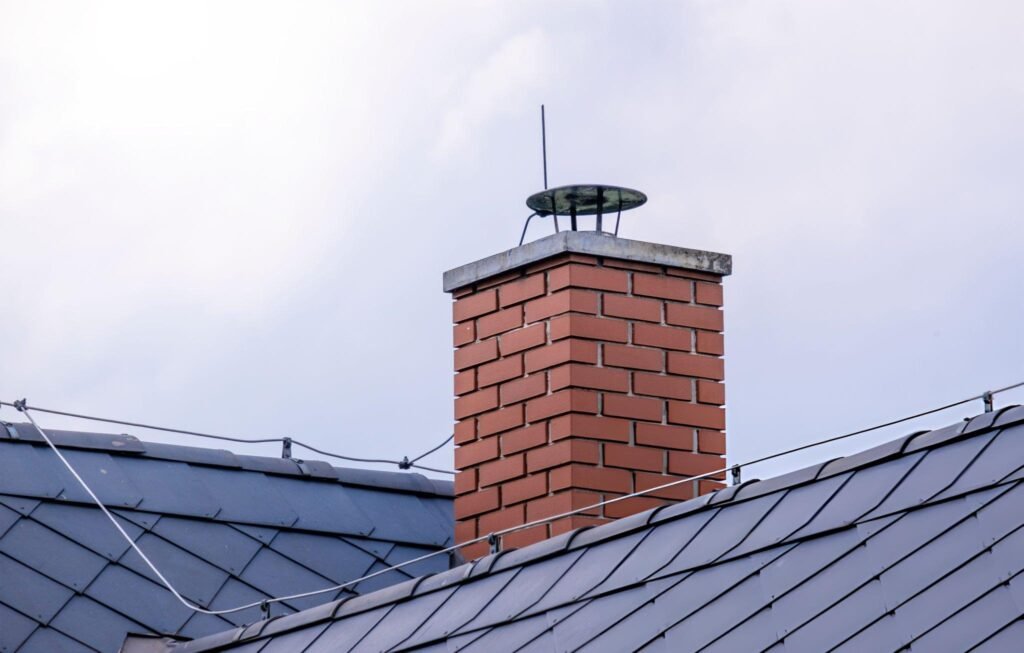
A chimney liner is one of the most important components of your fireplace system, yet it often goes unnoticed until problems arise. It plays a critical role in protecting your home, improving efficiency, and ensuring safe operation. Knowing when to replace your chimney liner for better performance can help you avoid serious hazards and costly repairs while maintaining optimal functionality.
In this guide, we’ll explore the purpose of chimney liners, signs that indicate replacement is needed, and how upgrading your liner can enhance safety and efficiency.
What Is a Chimney Liner and Why It Matters
A chimney liner is a protective layer installed inside your chimney flue. Its primary purpose is to safely direct smoke, gases, and heat out of your home while protecting the chimney walls from damage.
A properly functioning liner helps:
- Prevent heat transfer to combustible materials
- Improve draft and airflow
- Reduce creosote buildup
- Protect the chimney structure from corrosion
If your liner is damaged or outdated, it can compromise the entire fireplace system. For professional inspection and replacement services, you can visit https://chimneyevergreen.com/
Types of Chimney Liners
Understanding the different types of chimney liners can help you determine when a replacement is necessary.
Clay Tile Liners
These are common in older homes and are durable but can crack over time due to heat and moisture exposure.
Metal Liners
Typically made of stainless steel or aluminum, metal liners are more durable and resistant to corrosion. They are often used for modern chimney systems.
Cast-in-Place Liners
These liners are poured into the chimney and form a seamless, insulated layer. They are highly durable and improve structural integrity.
Each type has its lifespan, and knowing which one you have can help you identify when replacement is needed.
Signs You Need to Replace Your Chimney Liner
Recognizing the warning signs early is essential for maintaining safety and efficiency.
Cracks or Deterioration
Visible cracks or damage in the liner indicate that it is no longer providing proper protection. This can lead to heat escaping into surrounding structures.
Poor Draft or Smoke Issues
If smoke is entering your home instead of exiting through the chimney, it may be due to a damaged or improperly sized liner.
Excessive Creosote Buildup
A faulty liner can cause creosote to accumulate more quickly, increasing the risk of chimney fires.
Rust or Corrosion
Metal liners can corrode over time, especially if exposed to moisture. Rust is a clear sign that replacement may be necessary.
Old or Outdated Liner
Older liners may not meet current safety standards. Upgrading to a modern liner can significantly improve performance.
If you notice any of these signs, it’s important to schedule an inspection through https://chimneyevergreen.com/contact-us/
How a New Chimney Liner Improves Performance
Replacing your chimney liner offers several benefits that enhance both safety and efficiency.
Improved Airflow
A properly sized and installed liner ensures better draft, allowing smoke and gases to exit efficiently.
Increased Energy Efficiency
Modern liners help retain heat and improve the overall performance of your fireplace.
Enhanced Safety
A new liner reduces the risk of fire hazards and prevents harmful gases like carbon monoxide from entering your home.
Longer Lifespan of Chimney
By protecting the chimney walls, a new liner extends the life of your entire system.
When Should You Replace Your Chimney Liner?
There is no fixed timeline for replacing a chimney liner, as it depends on factors such as usage, material, and maintenance. However, there are certain situations where replacement becomes necessary.
- After a chimney fire
- When switching fuel types (e.g., wood to gas)
- If the liner fails an inspection
- When significant damage is detected
Regular inspections help determine the right time for replacement.
The Role of Professional Inspections
Professional chimney inspections are essential for identifying liner issues that may not be visible to the naked eye. Certified technicians use specialized tools to assess the condition of the liner and recommend appropriate solutions.
According to safety guidelines from https://www.csia.org/homeowner-resources/industry-standards.html, regular inspections are critical for maintaining a safe chimney system.
Choosing the Right Replacement Liner
When replacing your chimney liner, selecting the right material and size is crucial. Factors to consider include:
- Type of fireplace or appliance
- Fuel type (wood, gas, or oil)
- Chimney size and structure
- Budget and long-term durability
Stainless steel liners are a popular choice due to their durability and compatibility with various fuel types.
Installation Process and What to Expect
The chimney liner replacement process typically involves:
- Inspecting the existing liner
- Removing the damaged or old liner
- Installing the new liner
- Sealing and testing the system
Professional installation ensures that the liner is properly fitted and meets safety standards.
Preventative Maintenance Tips
To extend the life of your chimney liner and avoid frequent replacements, follow these maintenance tips:
- Schedule annual chimney inspections
- Clean your chimney regularly
- Burn only seasoned wood
- Avoid overloading the fireplace
- Address minor issues promptly
Proper maintenance helps keep your liner in good condition and improves overall performance.
Cost vs. Long-Term Benefits
While replacing a chimney liner may seem like a significant investment, it offers long-term benefits that outweigh the cost. A new liner improves efficiency, reduces maintenance expenses, and enhances safety.
Delaying replacement can lead to more severe damage and higher repair costs in the future.
Why Professional Services Matter
Chimney liner replacement is a complex task that requires expertise and specialized equipment. Hiring professionals ensures that the job is done correctly and safely.
Experienced technicians can assess your needs, recommend the best solution, and provide high-quality installation. For trusted and reliable service, visit https://chimneyevergreen.com/
Final Thoughts
Knowing when to replace your chimney liner for better performance is essential for maintaining a safe and efficient fireplace system. From identifying warning signs to understanding the benefits of a new liner, being proactive can help you avoid serious issues.
A properly functioning chimney liner not only improves performance but also protects your home and family. Regular inspections, timely replacements, and professional maintenance are key to ensuring long-lasting results.
If you suspect your chimney liner needs attention, don’t wait. Visit https://chimneyevergreen.com/ or schedule your service today at https://chimneyevergreen.com/contact-us/ to keep your fireplace operating safely and efficiently all year round.